
How to Make Hot Sauce (Homemade Hot Sauce Recipe)




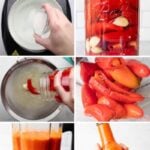



This homemade hot sauce recipe is one I make every summer when peppers start piling up in the garden! Over the years, thousands of readers have used it to learn how to make hot sauce at home, either by fermenting the peppers or making the quick cooked version that's ready in about 30 minutes.
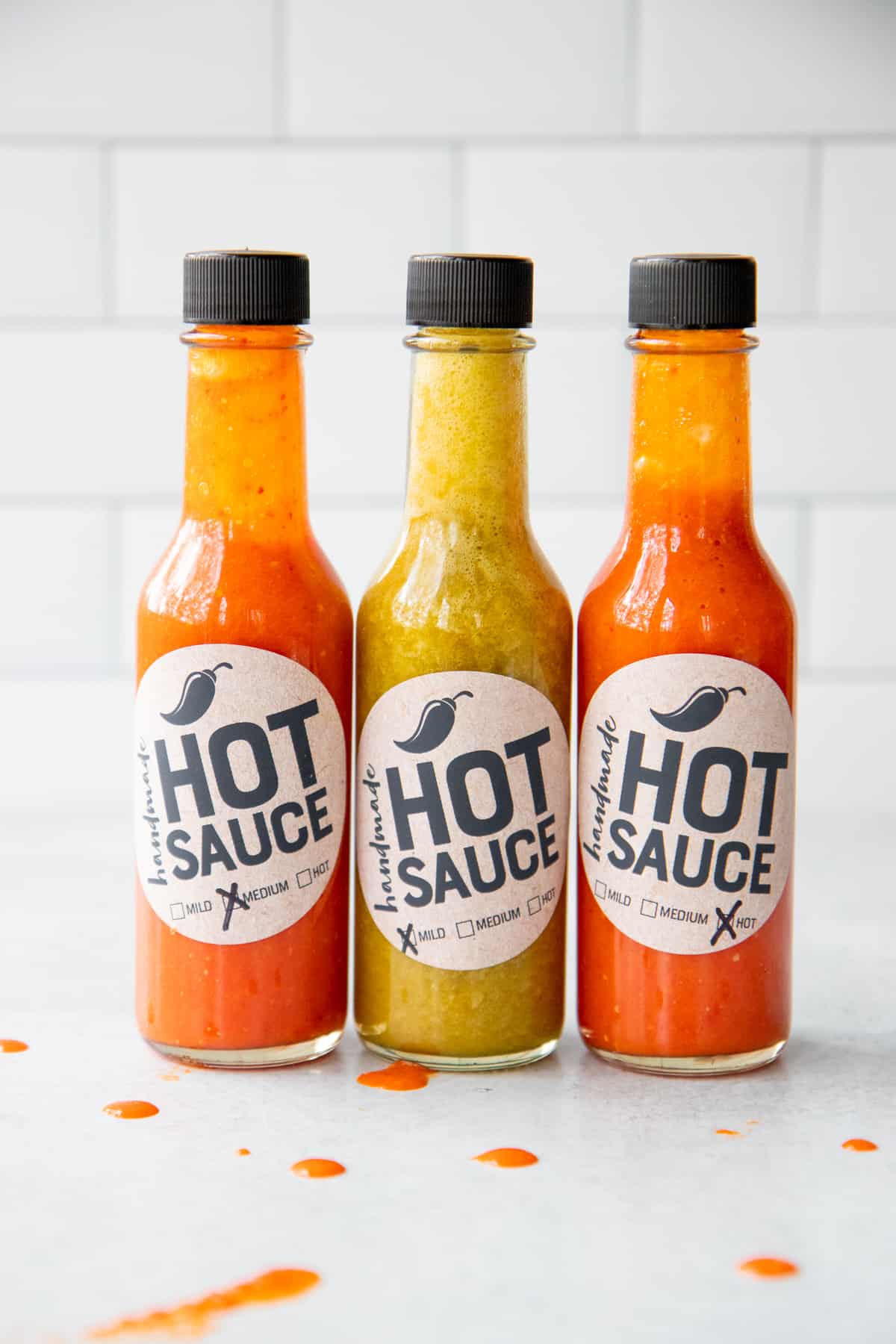
🔍 Recipe At-A-Glance: Homemade Hot Sauce
- ⏰ Prep Time: 10 minutes
- 🗓️ Fermentation Time: 5 days (or skip this using my quick cook version)
- 🌶️ Flavor Options: Anywhere from mild to super spicy
- 🎁 Good For: Everyday eating, awesome gifts, stocking stuffers, host or hostess gifts, teacher gifts, preserving your harvest, selling at farmer's markets
- 🧡 Difficulty: One of the easier fermentation projects out there, or make it easy-as-can be using the quick-cook option

"This might seem melodramatic, but this recipe kinda changed my life. On a whim I looked online for a hot sauce recipe, and I happened upon this one. I'm so glad I did! I absolutely encourage everyone to try the fermented version."
- JOEL -
Jump To
- 🔍 Recipe At-A-Glance: Homemade Hot Sauce
- 🧡 Why You'll Love This Recipe
- 🌶️ The Ingredients You Need
- 🔥 How to Do Heat Variations
- 🫑 Best Peppers for Homemade Hot Sauce
- 🫙 The Supplies You Need
- 🫶 Before You Start
- 📷 How to Make Hot Sauce (Fermented Version)
- 📷 How to Make Hot Sauce (Quick-Cook Version)
- ❄️ Storage and Preservation Directions
- 🌮 Ways to Use Hot Sauce
- 🙋🏻♀️ Homemade Hot Sauce FAQs
- 👩🏻🍳 My Expert Tips & Tricks
- 🌯 Recipes That Will Go Great with Your Hot Sauce
- 📥 Download the Free Labels
- 📖 Recipe
- 💬 Reviews
🧡 Why You'll Love This Recipe
I make a big old batch of this hot sauce every single summer! I've fine-tuned this recipe and method over almost a decade using my own peppers and farmer's market peppers. My hot sauce is a constant in my house-it comes out almost daily! Here's why you'll love this recipe:
- Shockingly simple: Before I made my own, hot sauce felt like one of those things that was really complicated to make. Plot twist: it's super easy. Anyone can do this.
- Choose your own adventure: I include both a traditional fermented and a quick-cook version of hot sauce, so you can choose your own adventure when it comes to hot sauce creation.
- Infinitely customizable: No matter if you like it super mild or tears-in-your-eyes spicy, you can make your hot sauce your own. My default is a jalapeño/bell pepper/habanero version with apple cider vinegar because it goes with basically everything I eat.
- So useful: Put it on pumpkin enchiladas, my taco chili recipe, or my simple chicken quesadillas recipe. The possibilities are endless!
- A recipe you can trust: Go ahead and read the reviews down below!
🌶️ The Ingredients You Need
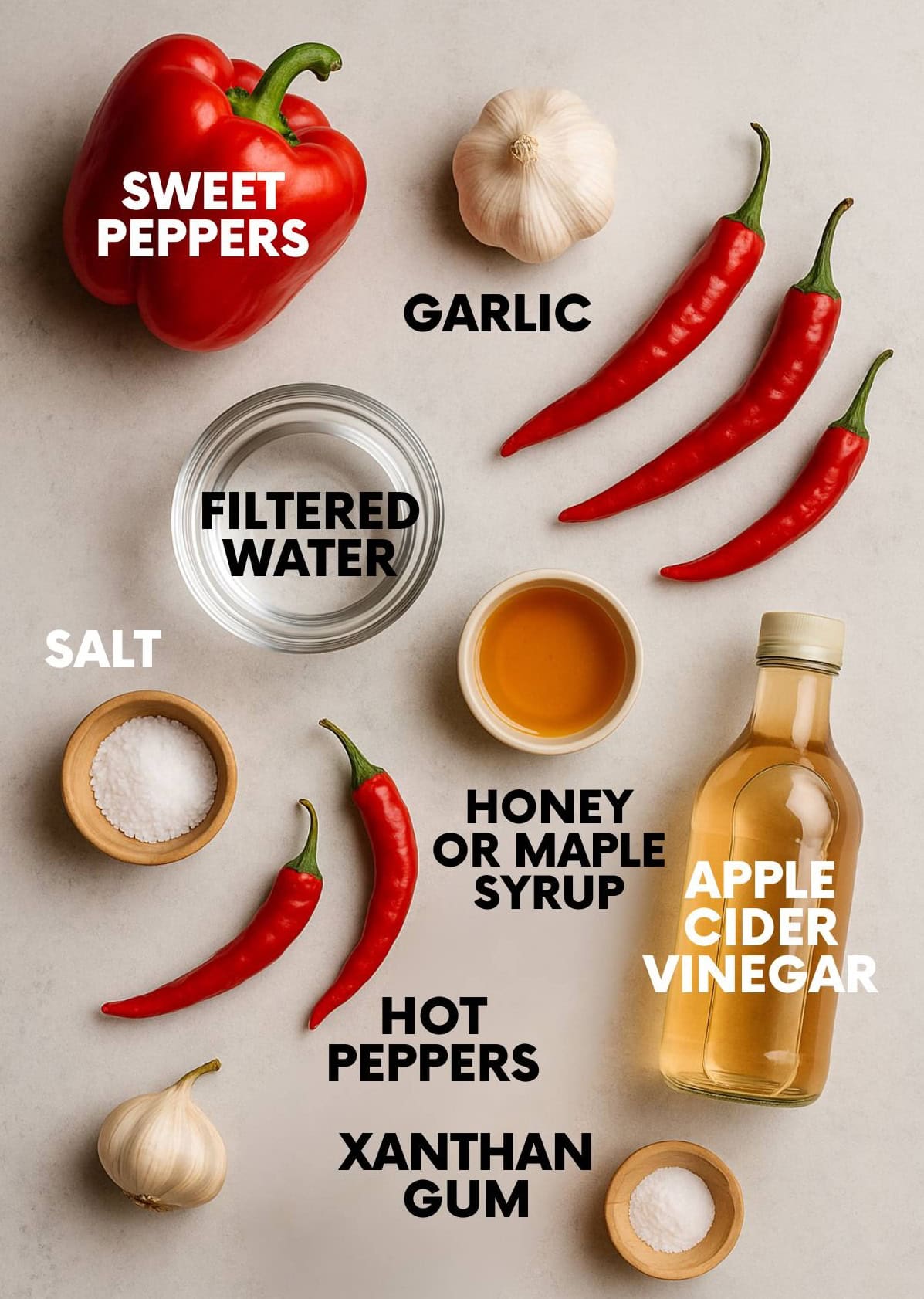
- Peppers: Jalapeños, reapers, Thai chilies, habanero, bell, cayenne, ghost peppers, serranos, OH MY. Which peppers you use really depends on your personal heat tolerance and the flavor profile you're looking for.
- Water: I recommend filtered water (especially if you are following our fermentation version) to make sure your flavor is crisp as possible.
- Xanthan gum (optional, but recommended): This emulsifier helps keep your hot sauce from separating. You'll have to give your hot sauce a good shake before using each time if you don't include it.
Make sure to check the recipe card below for the full ingredients list, along with quantities and my expert tips and tricks.
🔥 How to Do Heat Variations
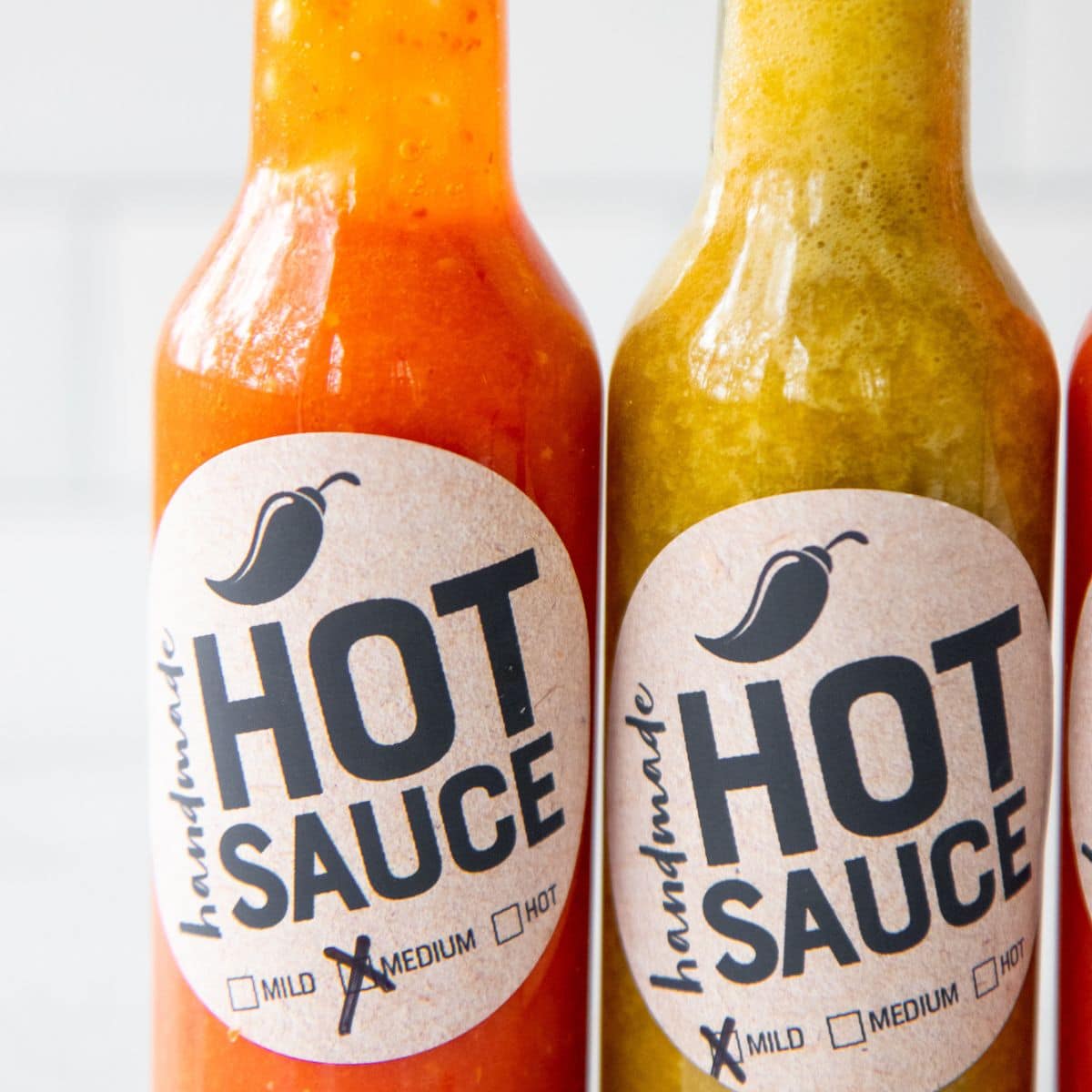
You are in complete control of your hot sauce! So no matter if you like it no-heat or burn-off-your tongue spicy, you are in charge.
I recommend tasting your peppers raw before blending them into your sauce. To test, I cut a pepper open and just lightly touch a cut part with a toothpick and then touch my tongue with the toothpick. You'll know very quickly what you're working with!
The pepper heat level wont change much after cooking or fermenting (although the flavor profile may end up more complex). If a pepper is hot raw, it's going to be hot in your hot sauce.
If you're new to hot sauce, here's my opinion: err on the mild side for your first batch. You can always blend in an extra pepper later, but you can't un-burn your tongue from a too-hot sauce.
From there, you can tweak your ratio until it's to your liking. Some heat-phobic folks use nothing but sweet bell peppers. Some heat lovers using nothing but hot peppers-so it really is up to you to pick your poison here.
In our house, I usually start with about start with a 3:1 ratio of sweet bell peppers to mild hot peppers (like jalapeños), and then toss in 1-2 habaneros when I want heat that shows up but doesn't dominate.
🫑 Best Peppers for Homemade Hot Sauce
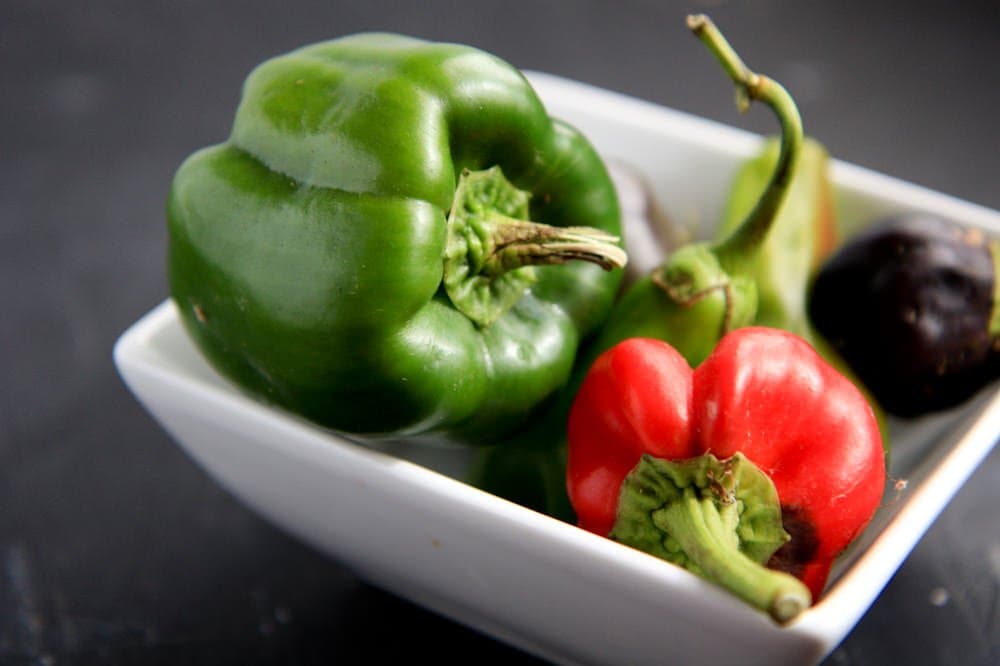
Here are a few peppers that work especially well for homemade hot sauce:
- Jalapeños: Mild to medium heat with a fresh, bright flavor. Great if you want a hot sauce that has some kick but isn't overwhelming. I've found out over the years that jalapeños vary wildly on their heat level based on growing conditions! Some years, one jalapeño is enough to make a scorching hot sauce, and then the next I need 10! This is why I highly, highly recommend tasting your peppers raw first.
- Serranos: Similar flavor to jalapeños but noticeably hotter. A good choice if you want to bump up the heat a bit.
- Cayenne peppers: These are classic hot sauce peppers. They give that familiar bright red color and straightforward spicy heat.
- Habaneros: Very spicy, but also fruity and flavorful. If you want fruity heat, habaneros are the move, but they can be really spicy, so I almost always mellow them with a handful of bells.
These are just a tiny selection of peppers you can use. Use whatever you find at the store, farmer's market, or in your own garden. This is really a fun recipe to get creative! You can use just one type of pepper or mix several varieties together for a more complex flavor. Here's my rule though if using a mixed bag of peppers: keep your color family consistent so you don't end up with swampy brown sauce. Red peppers with red peppers. Green peppers with green peppers.
🫙 The Supplies You Need
You probably have all the supplies on hand to make this recipe, but if you want a few special items to make the project easier, here's what to grab:
- Fermentation weights and lids: If you want to make the fermented version of this recipe, some fermentation weights and lids make the process much easier.
- Wide mouth canning jars: To go with your fermenting weights and lids.
- Hot sauce bottles: You can put your hot sauce into any sealed container, but these hot sauce bottles are perfect for gifting.
🫶 Before You Start
Imagine you are in my kitchen with me, and I'm teaching you how to make hot sauce. Here is exactly what I'd tell you.
- Fermented is worth it (most of the time): I strongly prefer the fermented version. The flavor gets rounder, more complex, and has less of a sharp vinegar punch. Fermentation is what makes hot sauce taste like hot sauce. I get it though. Time is at a premium for all of us, so if you want something bright and immediate, the quick-cook version is your friend.
- Apple cider vinegar is undefeated: I'm team apple cider vinegar for hot sauce. White vinegar tastes a little one-note to me. I like the fruity flavor ACV adds.
- I don't chase maximum heat: I'm a firm believer hot sauce should taste good first and burn second. I like a sauce that I can put on eggs every morning without regretting my life choices. If you want to make the hottest hot sauce in the land just for funsies, you do you, but I also recommend making some "everyday" milder hot sauces.
- Xanthan gum truther: Xanthan gum isn't required, but I use it because I'm lazy and I don't want to shake the bottle every time I want a few drops. It's worth it. Especially if you are gifting your hot sauce.
📷 How to Make Hot Sauce (Fermented Version)
If you've ever made homemade sauerkraut, you already know the process we're using to ferment this hot sauce.
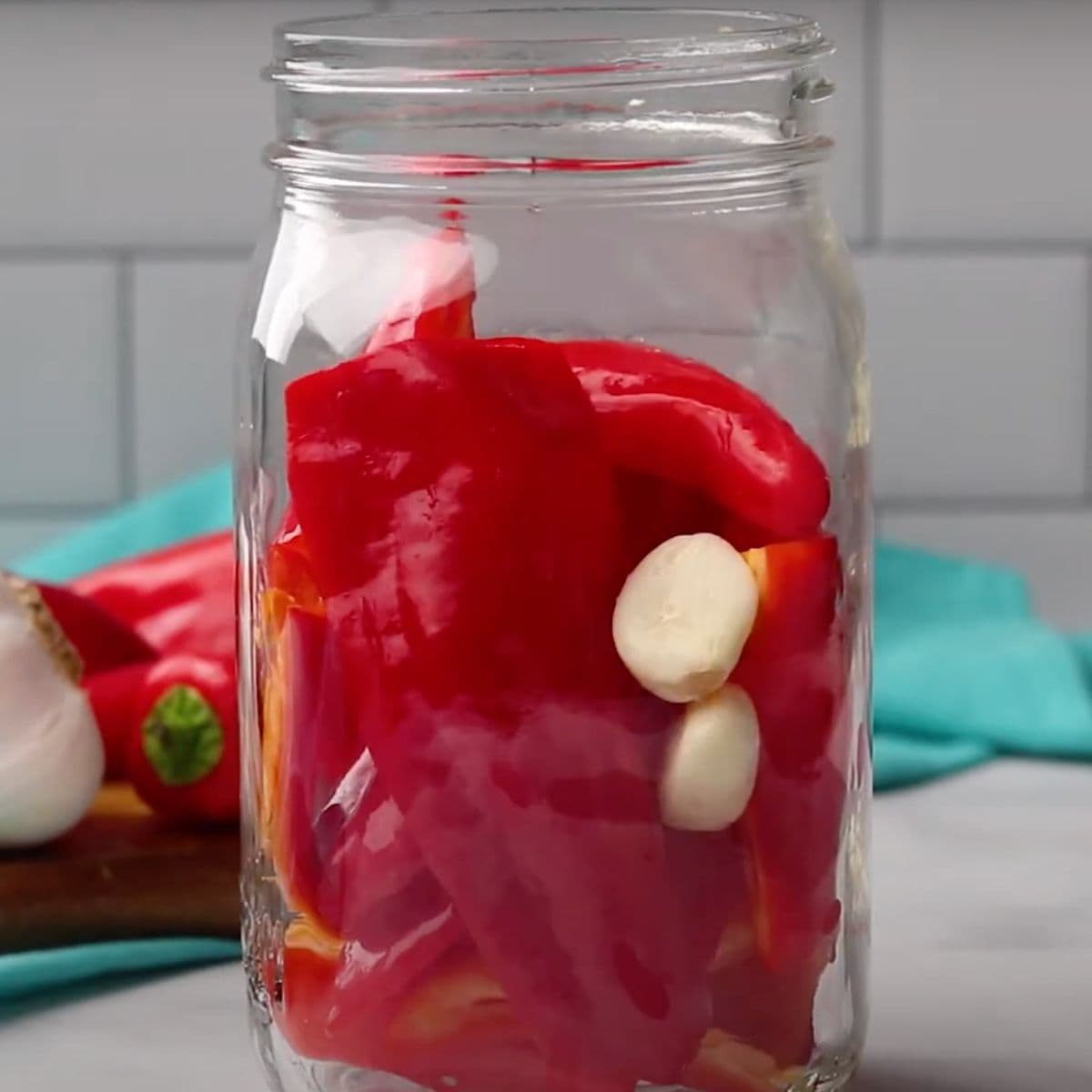
Step 1: Combine peppers and garlic in a wide-mouth canning jar.
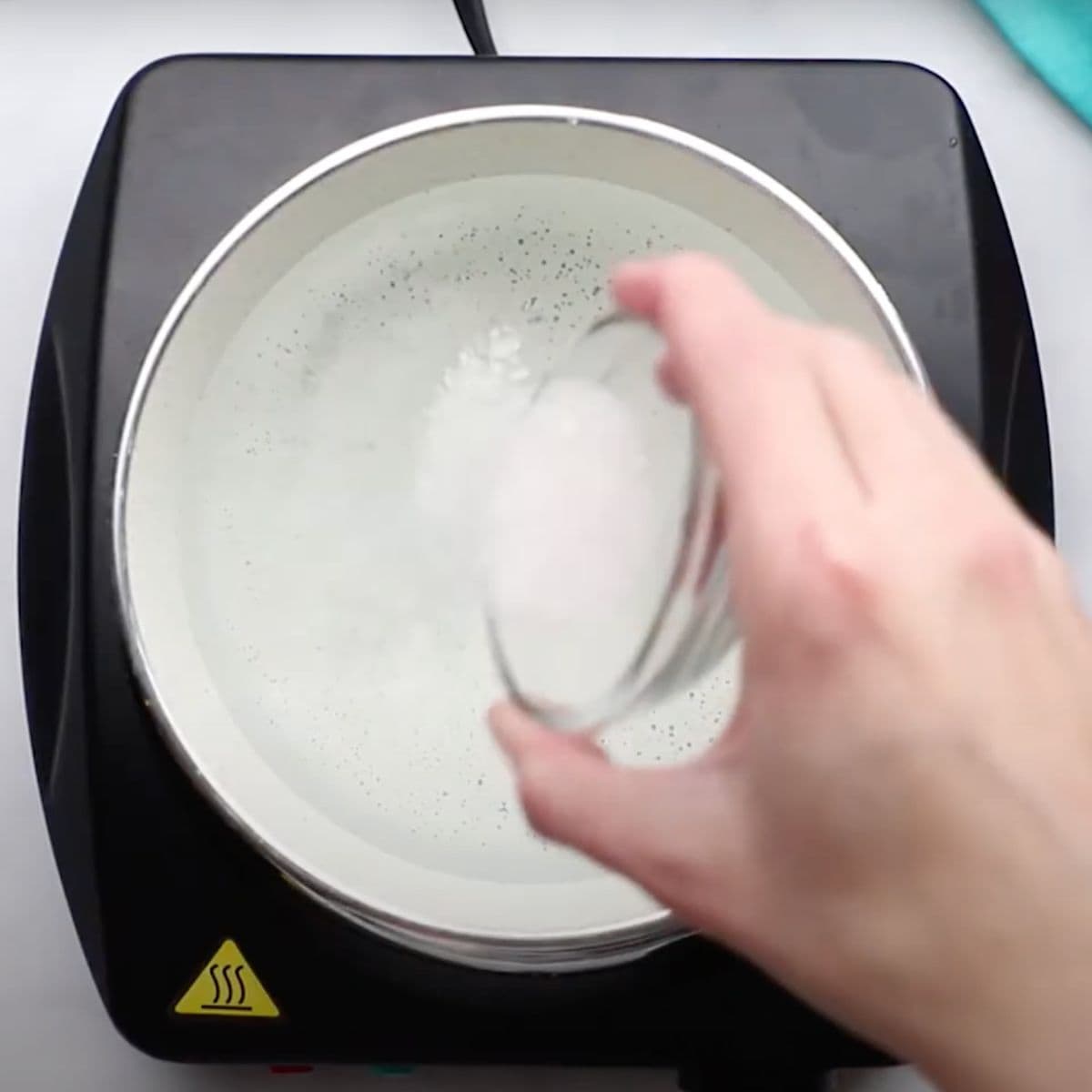
Step 2: Make the brine by combining the water and salt in a saucepan and heating until salt is melted. Let cool.
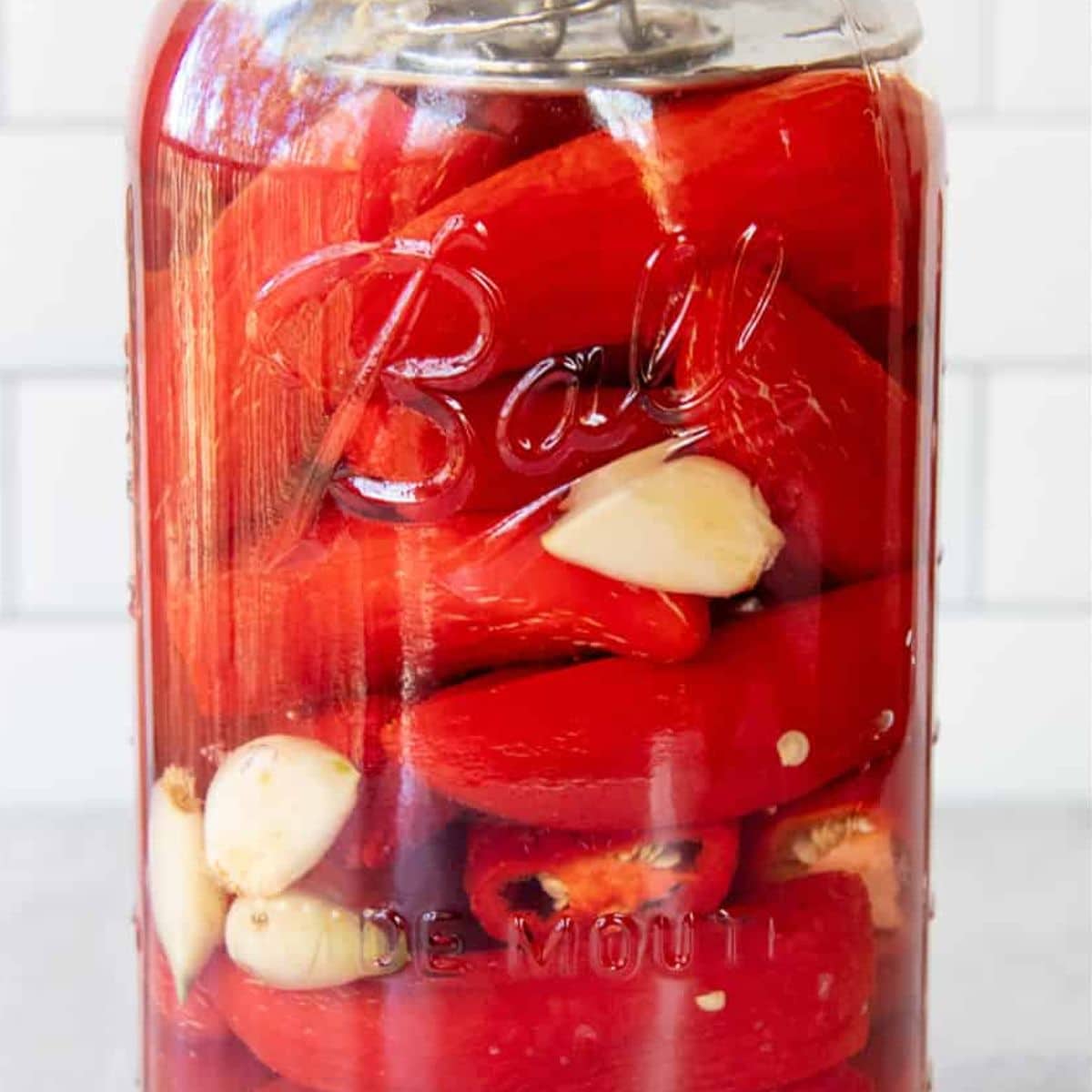
Step 3: Cover the pepper and garlic with the brine, fit with a fermentation weight and lid, and let ferment out of direct sunlight for 5-7 days.
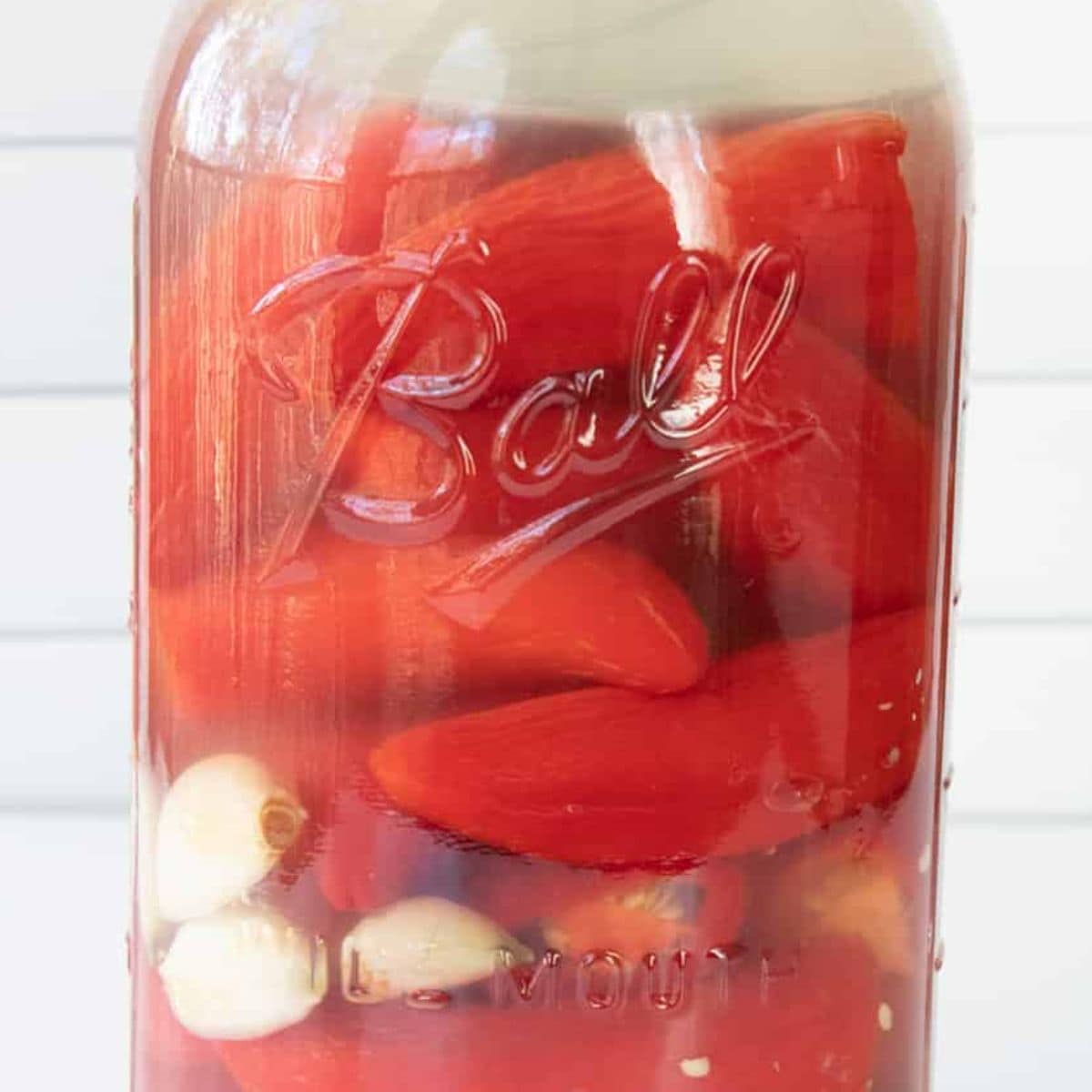
Step 4: The brine will look cloudy when it's ready-this means the fermentation is working!
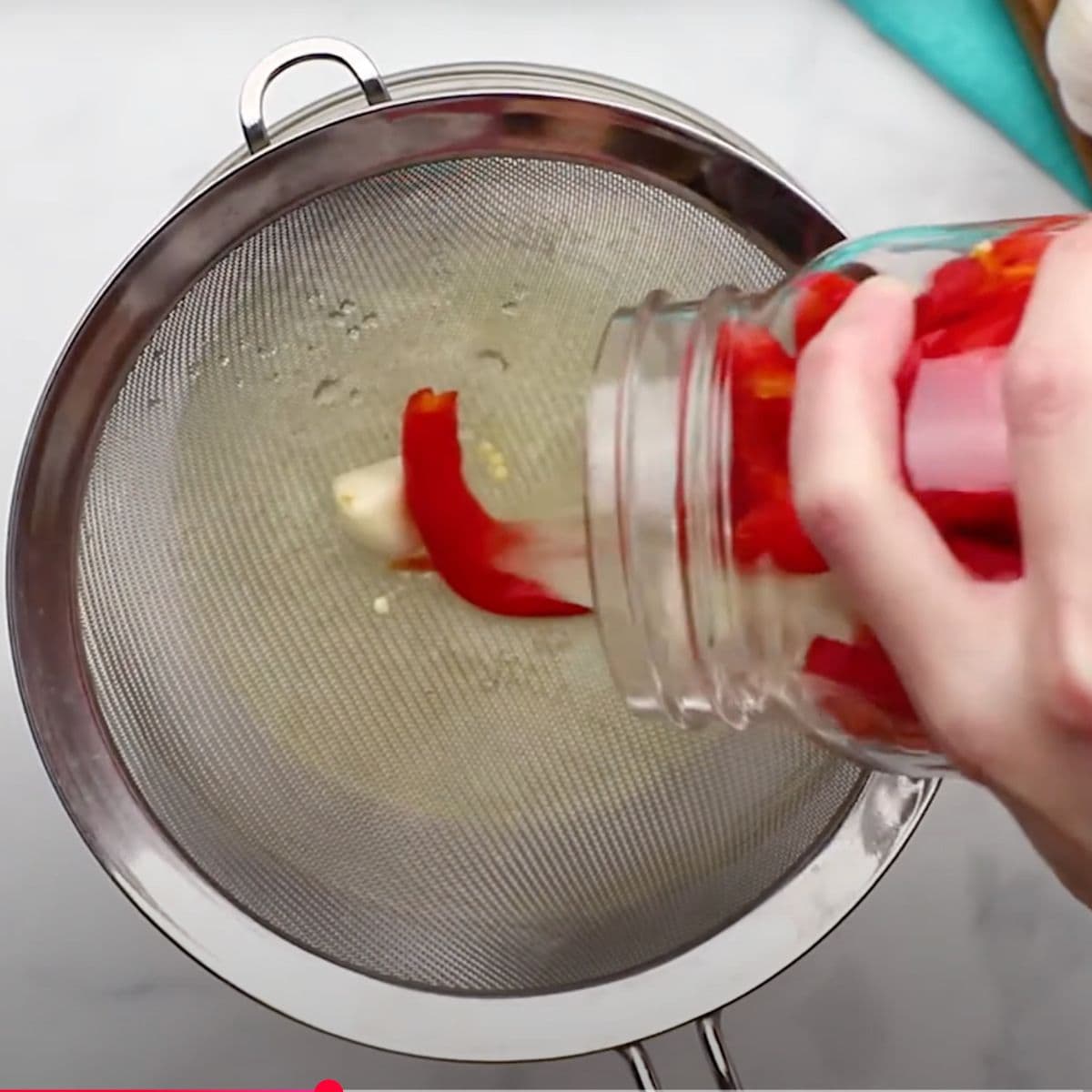
Step 5: Drain the peppers, reserving the brine.
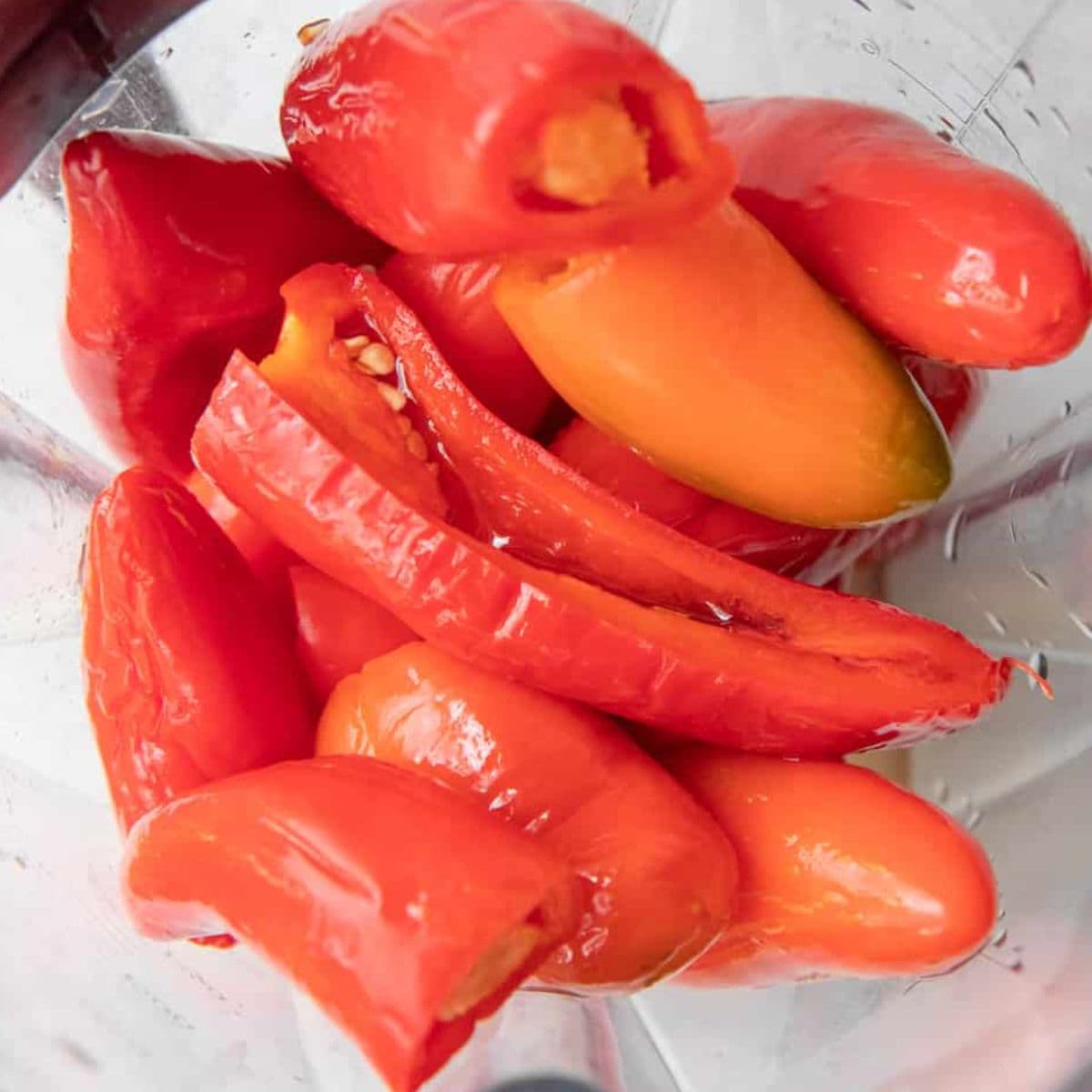
Step 6: Combine the peppers and garlic, vinegar, honey or maple syrup, and 1 cup of brine in a blender.
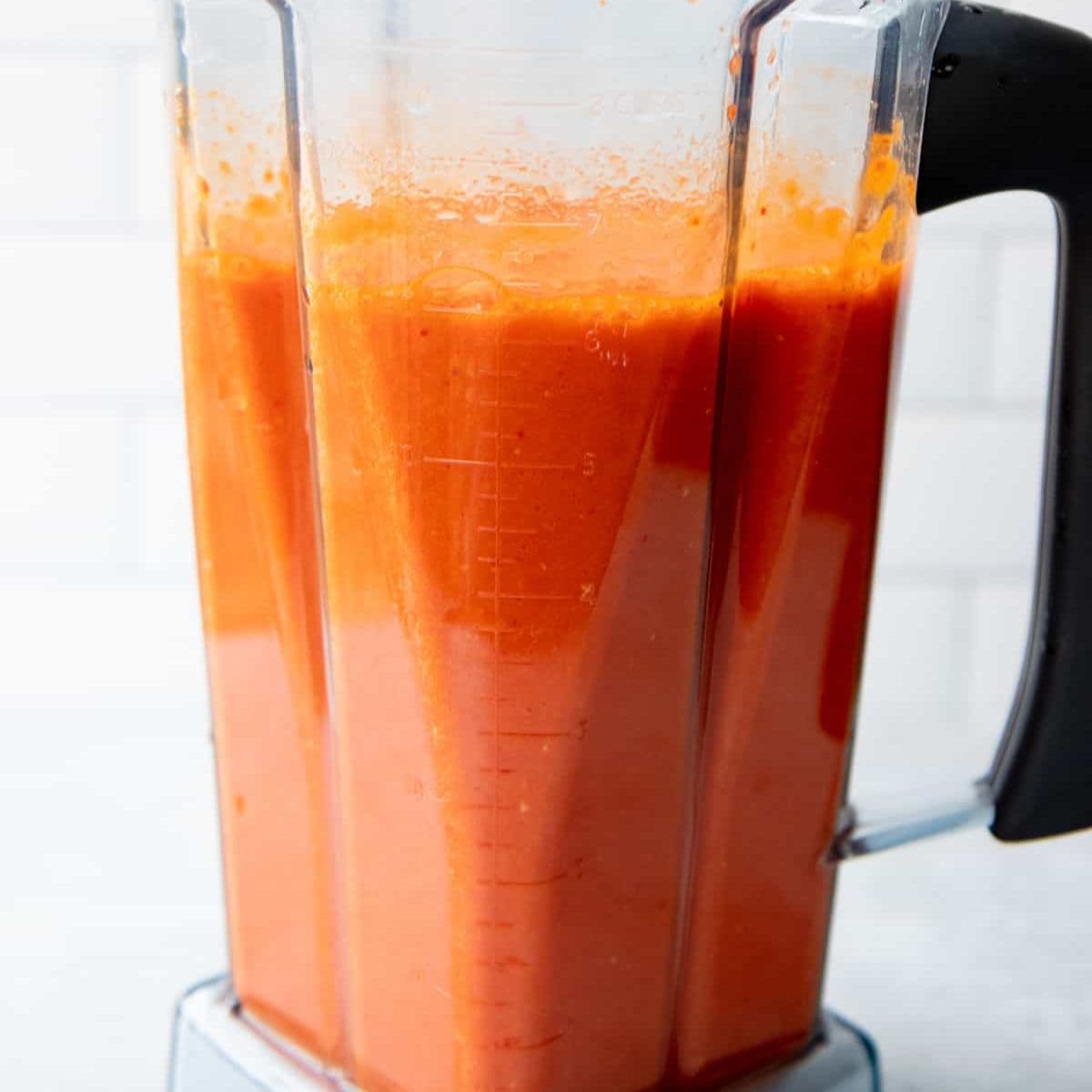
Step 7: Blend until silky smooth, adding in additional brine to thin out if necessary. If you using the xanthan gum, sprinkle it in while the blender is running and blend for an additional minute.
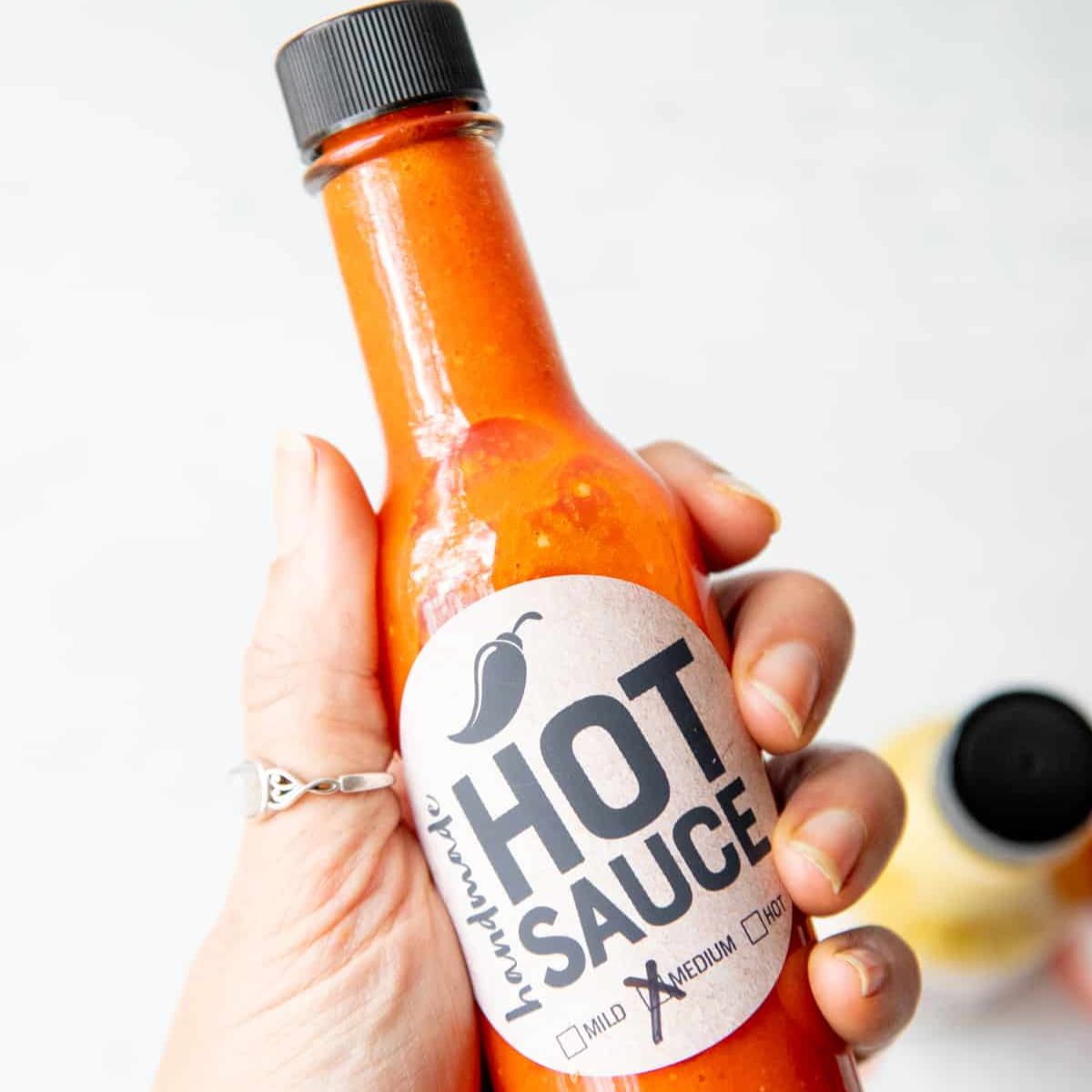
Step 8: Bottle and label!
📷 How to Make Hot Sauce (Quick-Cook Version)
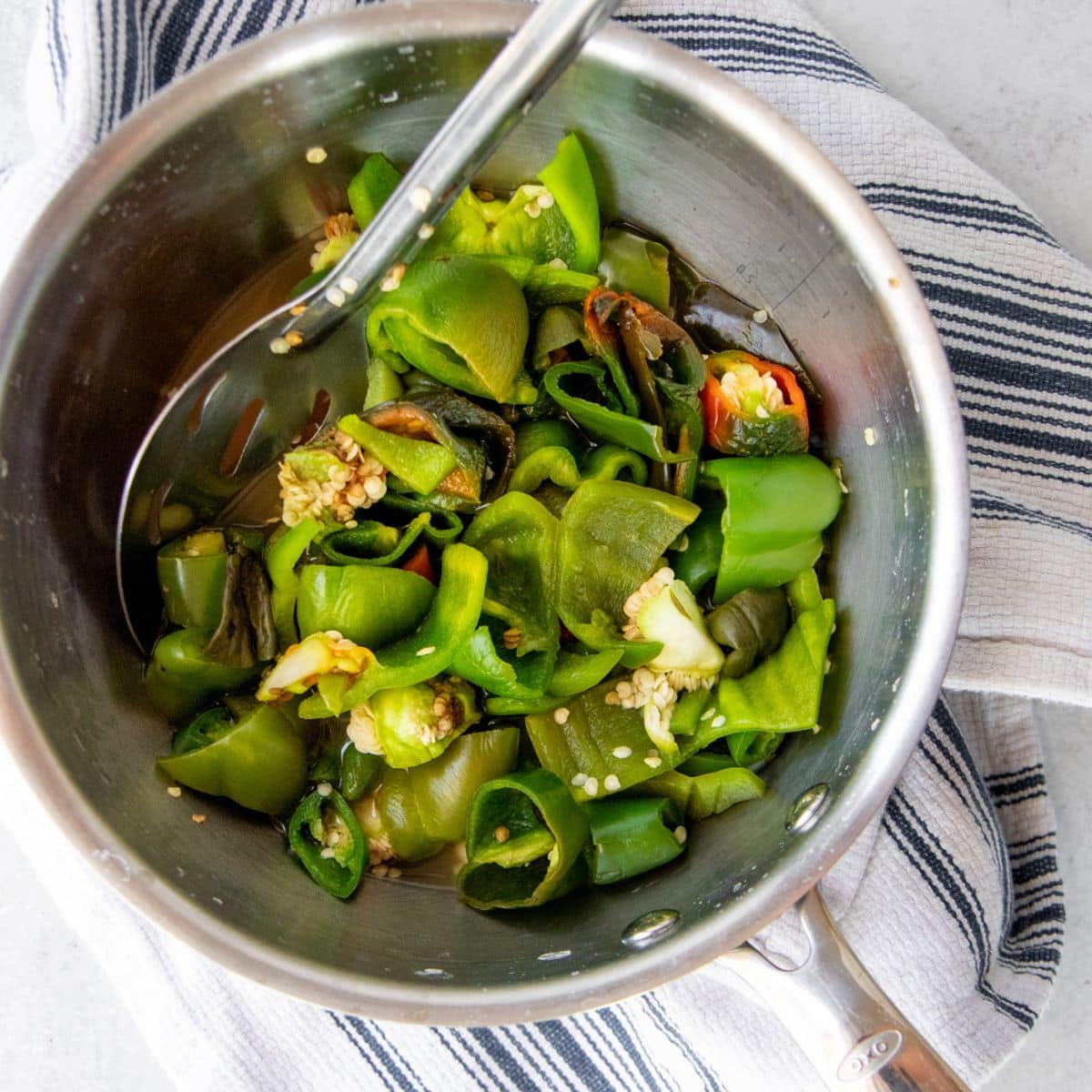
Step 1: Combine the peppers, garlic, water, salt, vinegar, and honey or maple syrup in a medium pan. Bring to a boil and simmer until the peppers and garlic have softened.
Step 2: Pour mixture into a blender and blend until very smooth. While the blender is running, sprinkle in the xanthan gum and blend for an additional minute.
❄️ Storage and Preservation Directions
- Fermented version: thanks to the beneficial bacteria, it will last 3+ months in the fridge easily.
- Quick cook version: lasts in the fridge for 2-3 weeks
- Freezing: Hot sauce freezes great for even longer preservation!
- Canning: If you choose to can hot sauce to extend the shelf life, use a hot sauce recipe that has been tested and proven safe for canning instead of my recipe here.
- Labeling: Make sure to label your hot sauce well so you know exactly what it is, what spice level it is, and when it was made. I have free labels you can download by filling out the form below.
🌮 Ways to Use Hot Sauce
Once you start making your own hot sauce, you'll find yourself reaching for it all the time. It's such an easy way to add a little heat and flavor to everyday meals. I have my hot sauce almost every morning on top of scrambled eggs with avocado.
- Drizzled over scrambled eggs or stirred into breakfast egg cups
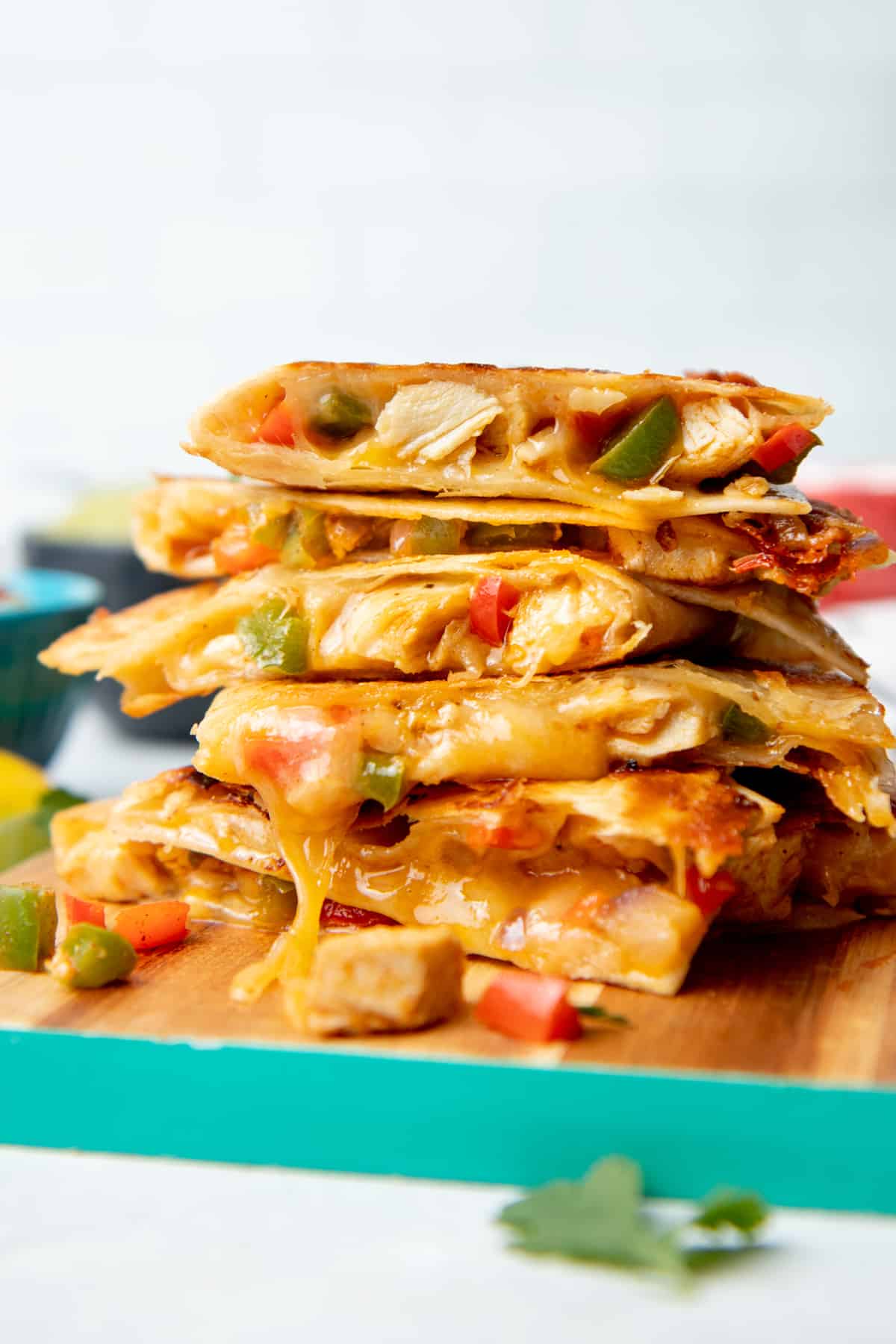
- Spooned onto a plate of simple chicken quesadillas
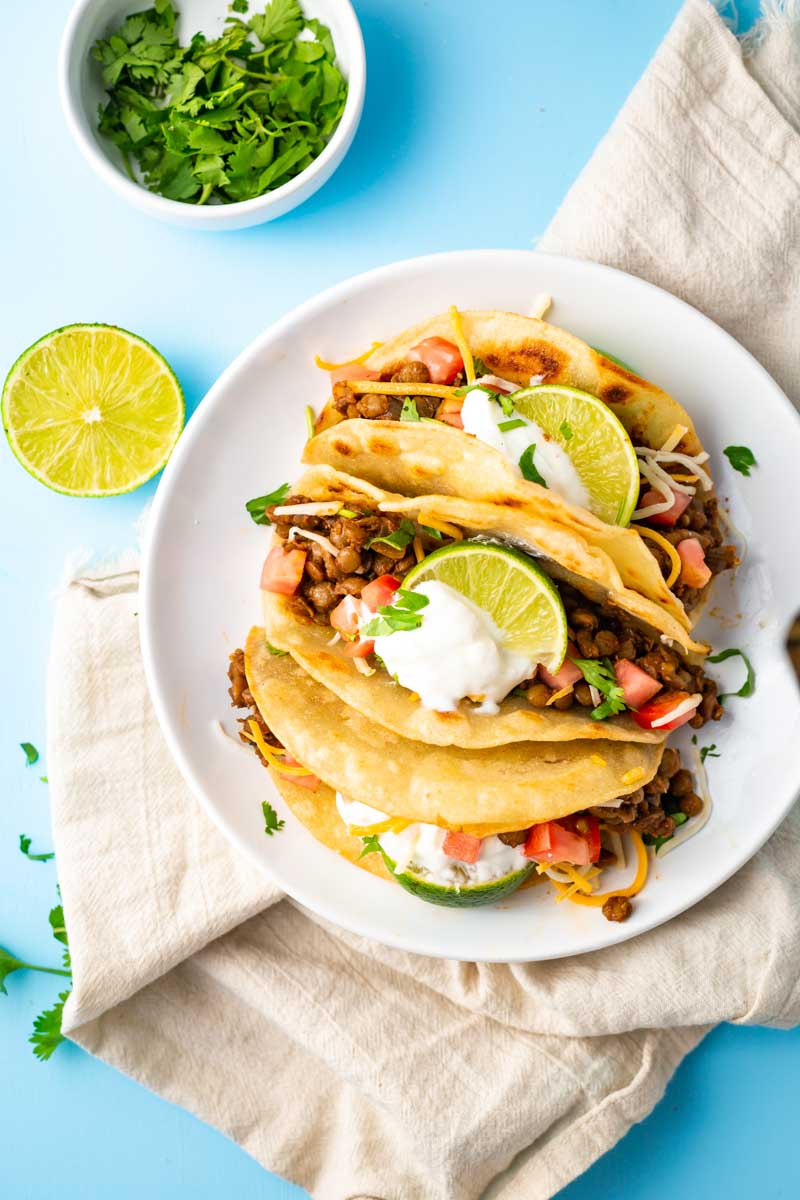
- Added to a bowl of taco chili for extra kick
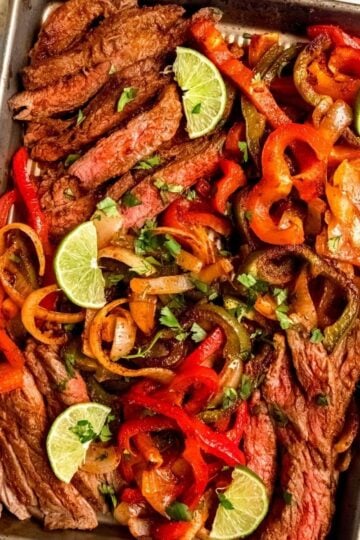
- Poured over a steak fajita bowl
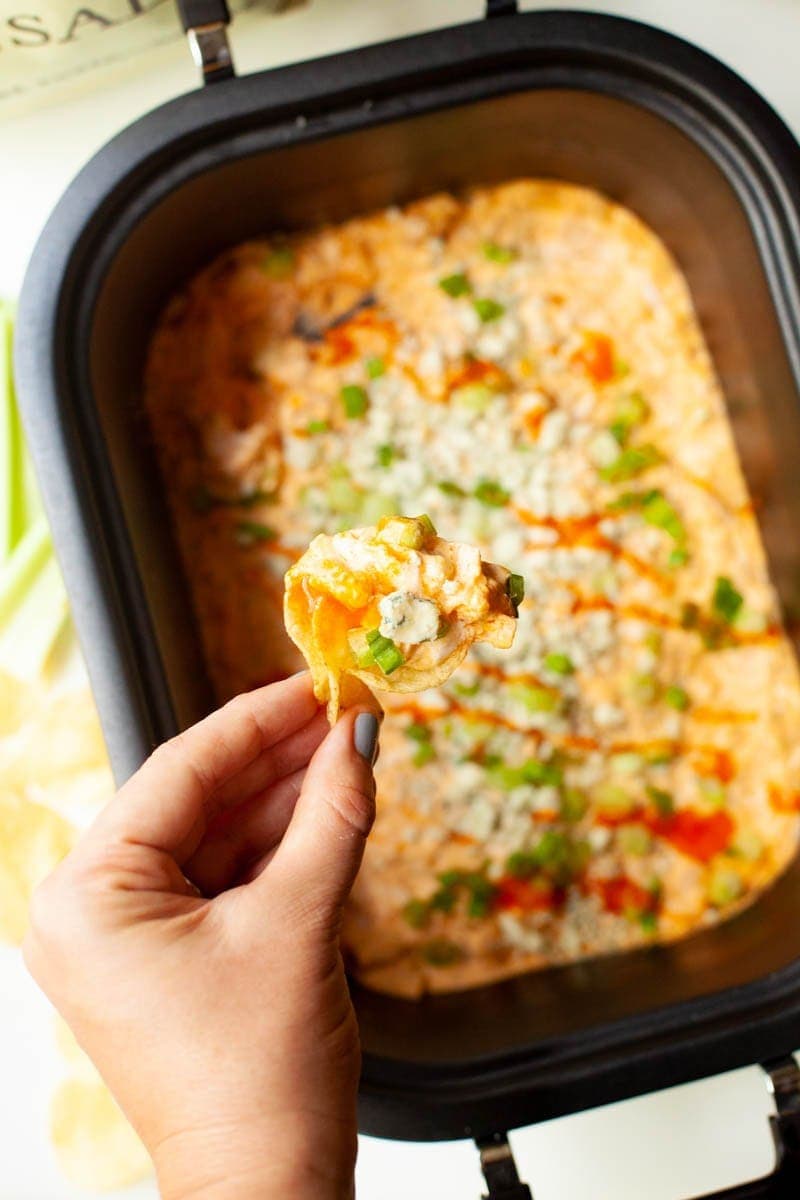
- Mixed into easy slow cooker buffalo chicken dip
- Brushed onto oven baked chicken wings
🙋🏻♀️ Homemade Hot Sauce FAQs
You can use either white distilled vinegar or apple cider vinegar here. I prefer the slight fruity flavor of apple cider!
If you don't want to make fermented hot sauce, you can quick cook the ingredients on the stove and bottle them (and enjoy your sauce the same day).
Thanks to the beneficial bacteria in the fermented version, it will last 3+ months in the fridge easily. The quick-cook version lasts in the fridge for 2-3 weeks.
The best peppers are the ones you have! Any peppers work, but I recommend most people start with a mixture of bell peppers, jalapeños, and a few spicier peppers like habaneros.
Hot sauce may be foamy when you're finished blending. It's normal! If so, let the hot sauce rest for 15-20 minutes, then scrape off any foam before bottling.
👩🏻🍳 My Expert Tips & Tricks
- No brown hot sauce: Mix and match different types of peppers to get the flavors and heat levels you desire, but make sure you stick to the same color family to avoid a yucky brown hot sauce.
- Stay safe: When working with hot peppers, it's important to: wear gloves while handling and cutting, wash hands extremely well after handling, wear goggles, and work in a well-ventilated area
- Label your bottles: Fill out the form in the post to get my free hot sauce labels. These are designed to print on Avery 2 ½" round water-resistant labels.
- The sauce thickens: The hot sauce will thicken quite a bit in the fridge, so keep that in mind as you decide on the consistency while blending. Also: I always start blending with 1 cup of brine, then add in small splashes. It's way easier to thin hot sauce than to thicken it.
- Cloudy brine is good: Cloudy brine is the good sign I look for. Clear doesn't automatically mean failure, but cloudy tells me the party's happening.
- Got foam? Your hot sauce may be foamy when you're finished blending. If so, let the hot sauce rest for 15-20 minutes, then scrape off any foam before bottling.
- No fermentation weights? You'll need to use some sort of weight to keep the peppers submerged under the brine to prevent mold growth. A budget option is to fill a zip-top sandwich bag with water and submerge it in the top of the jar and secure cheesecloth or a thin piece of cotton to the top of the jar with a rubber band.
🌯 Recipes That Will Go Great with Your Hot Sauce
If you tried this Homemade Hot Sauce or any other recipe on my blog, please leave a 🌟 star rating and let me know how it went in the comments!
📥 Download the Free Labels
I've made you some free labels for your hot sauce bottles that you can print off at home. Just fill out the form below to get them delivered right to your inbox.
📖 Recipe
Homemade Hot Sauce Recipe (Fermented or Quick Cook)
Ingredients
- 1 ½ pounds peppers of your choosing a mix of sweet peppers and hot peppers, tops/stems removed, halved
- 6 cloves garlic peeled
- 4 cups filtered water
- 4 teaspoons sea salt
- ⅓ cup apple cider vinegar
- 1 tablespoon honey or maple syrup optional
- ½ teaspoon xanthan gum optional (see notes)
Instructions
For the Fermented Version
- Place the peppers and garlic in a clean wide-mouth quart canning jar. Set aside.
- To make the brine, heat the filtered water and sea salt in a medium saucepan until the salt has dissolved completely. Let cool to room temperature.
- Pour the brine over the peppers and garlic, completely submerging them. If you run out of brine, you can make more by mixing 1 cup of warm filtered water with 1 teaspoon of sea salt.
- Fit the jar with a fermentation lid or cheesecloth secured with a rubber band (see notes on weighing down the peppers if using cheesecloth). Place in a warm, dark spot for 5-7 days, or until the brine looks cloudy and small bubbles begin to appear when you tap the side of the jar. Make sure the peppers stay submerged under the brine during the entire fermentation process to prevent mold-growth.
- When the fermentation time is up, strain the brine, reserving it. Place the fermented peppers and garlic in a blender, and add in 1 cup of the brine, plus the apple cider vinegar, and honey or maple syrup, if using. Blend until completely smooth, adding in additional brine to reach the desired thickness. The hot sauce will thicken in the fridge.
- While the blender is running, sprinkle in the xanthan gum, if using, and blend for an additional minute.
- Transfer to a bottle and store in the fridge for 3-6 months.
For the Quick Cooked Version
- Combine the peppers, garlic, 2 cups of water, 2 teaspoons of sea salt, apple cider vinegar, and honey or maple syrup, if using, in a medium pan over medium-high heat. Bring to a boil, reduce heat, and simmer for 10-15 minutes, or until the peppers and garlic have softened.
- Pour mixture into a blender (making sure to leave the cover vent open, but covered with a kitchen towel) and blend until very smooth.
- While the blender is running, sprinkle in the xanthan gum, if using, and blend for an additional minute.
- Transfer mixture to a squeeze bottle and store in the fridge for 2-3 weeks.
Video

Notes
- If you choose to use cheesecloth during fermentation, you'll need to use some sort of weight to keep the peppers submerged under the brine to prevent mold growth. You can purchase fermentation weights to do this, or fill a zip-top sandwich bag with water and submerge it in the top of the jar.
- In this recipe, xanthan gum works as an emulsifier, stabilizer, and thickener. If you choose not to use it, your hot sauce will separate in the fridge. Just give it a good shake each time you go to use it.
- The hot sauce will thicken considerably in the fridge, so keep that in mind as you decide on the consistency while blending.
- Depending on the power of your blender, your hot sauce may be foamy when you're finished blending. If so, let the hot sauce rest for 15-20 minutes, then scrape off any foam before bottling.

Hi!
I know that fermenting things can make them smelly-ish… so how smelly is too smelly? If you don’t have mold, can you assume your good to go?
Hi Catherine! No mold is definitely a good sign! The ferment should also smell funky and tangy, but in a pleasant way. It shouldn't smell gross or off or like something you'd want to throw out. Trust your sniffer and when in doubt, throw it out! We don't mess around when it comes to food safety.
Hi! First time fermenter here 🙂 i just brined a batch of habenaros and just curious what substitutes I can use instead of xanthan?
Hi Jules! The xanthan gum works as an emulsifier, stabilizer, and thickener. It is 100% optional. If it's not something you have, you can just leave it out! If you choose not to use it, your hot sauce will separate in the fridge. Just give it a good shake each time you go to use it and you'll be good to go.
Can you still use this if some mold has grown on top
If it is mold, unfortunately, you'll want to discard the ferment. Some folks scrape it off and keep fermenting, but we’ve always been on the “better safe than sorry” side of things!
But there is a possibility that what you're seeing is not mold at all and is actually a completely safe yeast (called kahm yeast) that tends to bloom during fermentation. It’s really easy to get these two mixed up! Here are some photos to help you figure out the difference: https://www.fermentingforfoodies.com/kahm-yeast-mold/ If what you're seeing is just yeast, you can keep on just fine!
Use any peppers you want except Carolina Reapers. Just cutting them with burn you and wish you made different choices in life.
For the sweet peppers, is bell peppers a good choice?
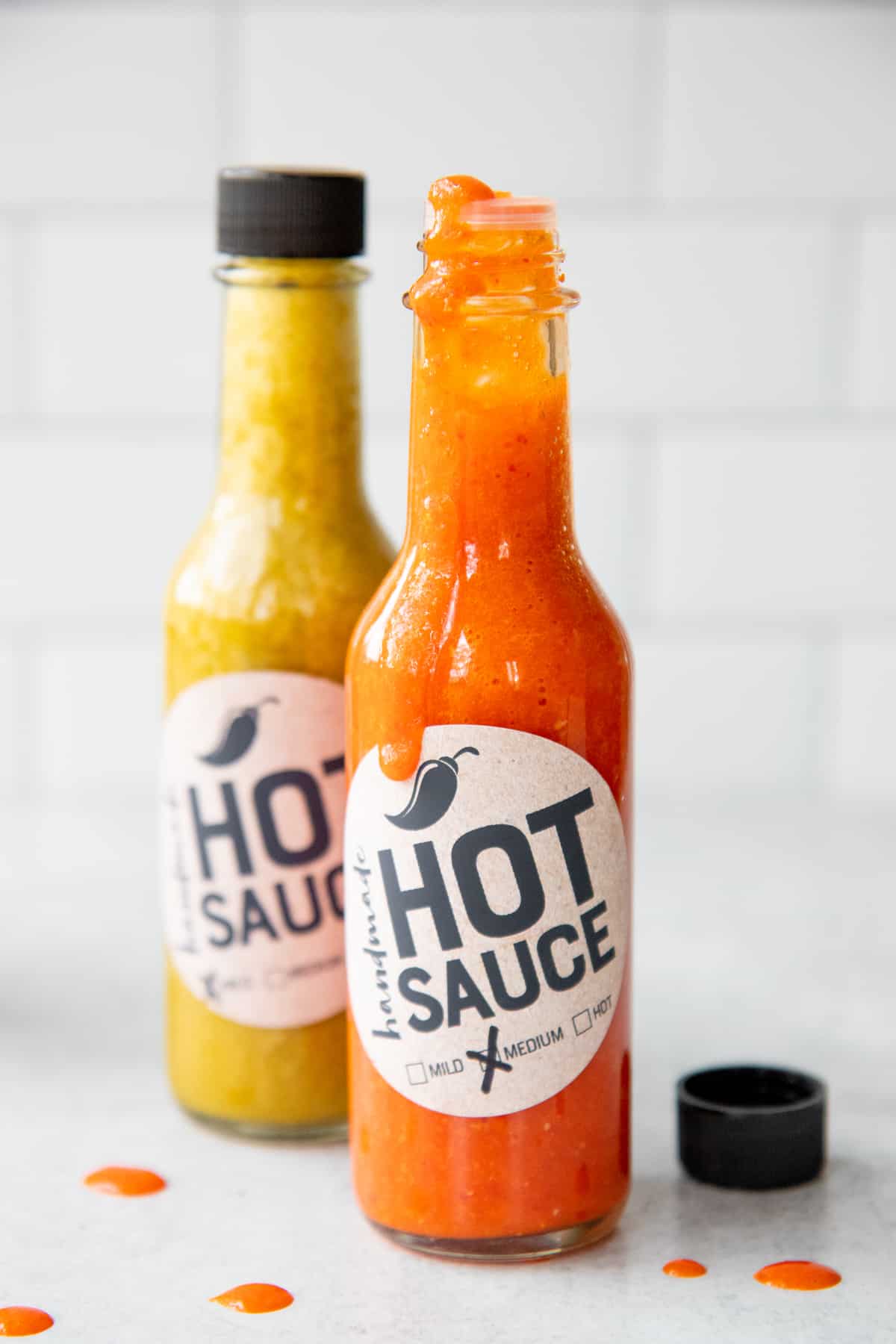
Hi Joshua! Bell peppers are a great choice! We used them in the two hot sauces in the photos—red bell peppers in our medium red hot sauce and green bells in our mild green hot sauce.
Can I add a mango to this fermentation recipe for some added flavour without changing anything else? Or would this then not ferment properly?
Thanks!
Hi Chris! You can definitely experiment with adding fruit. As long as everything stays submerged under the brine the whole time, you should be good to go! Let us know how it turns out for you =)
Hello!
I noticed that the recipe doesn't call for seed removal. Should I remove the seeds?
Thanks!
Hi Nichole! Since everything goes into the blender, we left the seeds in to save ourselves a step. But you can definitely remove them if you prefer! Some folks took them out at the beginning (when removing the tops/stems), and others ran the puree through a fine mesh strainer to catch anything the blender didn't get. Both work well if you don't want to worry about seeds!
Hello, I have my hot sauce fermenting and I think it’s ready to blend. I was curious about adding some cilantro for some added flavor? But I guess I should’ve done that, added it before it fermented?
Hi Larissa! You are welcome to add any flavorings you want afterwards, but then your hot sauce will need to be refrigerated at all times after blending!
My peppers have been fermenting for 7 days now, the brine is cloudy but no bubbles. Should I keep waiting?
Hi Theresa! If the brine is cloudy, you should be good to go. If you'd like to continue to ferment it further for more flavor development, that's definitely an option. The thing to keep in mind is that the longer it ferments, the funkier or tangier in flavor it will be! So if you're not sure you're up for that, you could finish this batch and see how you like it. Then adjust the fermenting time on your next batch to suit your tastes!
I messed up and put the cider vinegar in the brine over the peppers. Is it ruined?
Hi Kathleen! It's not ruined! It should still ferment, but it might take a little longer to get going. Vinegar slows fermentation, but it doesn't stop it! Keeping it someplace warm will help.
Someone else in the comments did the same thing and said it turned out fine! They did still add additional vinegar when blending it, because they wanted the bright acidity it added. Check yours for taste and add more when you blend it if you think it needs it. Good luck! Let us know how it goes =)
Been reading that if you use bottles for your sauce and screw on the cap that they could explode because the fermentation continues after bottling. Ever heard of this. This is with the fermentation process of course. Will be bottling in a couple days. Kind of nervous. Thanks.
Hi Mike! Since you'll be stashing your fermented sauce in the fridge, that shouldn't be a problem. The cooler temp will dramatically slow down the fermentation process, so little to no additional pressure should build up. If you were to leave the bottles out at room temp, there would be the potential for caps to blow off or for bottles to explode! The key to preventing that is slowing or halting the fermentation, which we do by refrigerating! I hope this helps alleviate your worries =)
Hi! I’m wondering what kind of bottles I would be able to waterbath these so that they seal and are shelf stable until opened. The kids on the Amazon ones don’t look like they would… or would they?
Hi Connie! If you'd like to water bath can your hot sauce, we recommend finding a recipe specifically developed and tested for canning. Unfortunately, that's not this one!
Just blended up the fermented garlic and peppers. So tasty and just the right heat for us. Thank you for the recipe. Can I use the left over brine for another batch of hot sauce or any other recipes? I prefer not to waste it.
Hi Cherri! We generally don’t because the info out there is mixed on reusing the brine. We follow the “better safe than sorry” mindset when fermenting. As always, though, you’re welcome to read up on your own and do whatever makes you feel comfortable. There’s a lot out there to dig into! =)
Didn't like it when I used Apple Cider vinegar. I use white vinegar if it's a yellow or orange pepper. If they're red peppers I used a mixture of white and red wine vinegar. I've made literally thousands of batches of hot sauce, and have never used the fermenting method. I use the quick method or a variation of it, and the only ingredients I use are vinegar and peppers.
I'm curious why you say using this method the sauce will last 2-3 weeks in the refrigerator. After my sauce cooks I let it cool down and put in mason jars and let it "age" in the refrigerator for a couple of weeks, but have left it in there for less than a week at times. No one told me to do it this way, it just seemed like the way to do it. After I take it out of the refrigerator I put it in 5 ounce woozy bottles and it will last easily for two to three years in the cabinet. I don't refrigerate it once it's aged, and have never had any go bad. Right now I'm using different varieties I made in October of last year, and no one can tell if it's a year old or week old. Other than it being hotter. When I give hot sauce to people it takes them over a year, sometimes two or three to go through a bottle, and it's always as fresh as the day I made it. And I tell everyone no refrigeration required. I keep it in the cabinet. And I don't use a thickener. It separates. I shake the bottle and it's good to go. You don't have to shake it again during the same meal or usually for a day or two after you shake it once.
Hi Daren! We're so glad to hear that you haven't had any issues with your hot sauce spoiling or making anyone sick. But our recommendations follow best practices for current food safety standards, which is why we say that both the quick cook and fermented versions should be kept in the fridge!
I was reading your comments about using only vinegar and peppers, and wondering what would your ratio be?
Can you have this recipe. Don't want to make that much. Thanks.
Hi Mike! As long as you make sure your peppers stay submerged under the brine, it should be fine to make a smaller batch. Let us know how it turns out for you!
Are you able to do minced garlic instead of whole garlic?
Hi Lisa! Minced garlic should be fine, just as long as the pieces are big enough to stay submerged in the brine if you're doing the fermented version.
I have used this recipe with great success. My wife went blueberry picking and we now have a significant amount. If I wanted to make a blueberry hot sauce would it be as simple as adding a cup or two to the existing recipe?
Thanks very much.
Hi Mike! We've never done it, but it definitely sounds like a tasty experiment! You'll want to make sure the blueberries stay under the brine when fermenting (they tend to float). Otherwise, you should be good to go. Let us know how it turns out for you! =)
I'm lining up my ingredients to try your recipe. I want to experiment and use fruit, blueberries for a batch and apples in another. Anything I need to keep in mind when adding fruit?
Hi Dani! Nope, just as long as your fruit stays under the brine, you can experiment away! Let us know how it turns out for you =)
I have 3oz of Carolina reapers if I want to do mild to hot but not blow your head off hot would 1lb 5oz of red bell pepper with it be ok or should I increase the red bell bell pepper? If so what weights should I do?
Hi Michelle! We've never made a batch with Carolina reapers, so we're not sure how many would make it blow your head off hot. Our best advice would be to make one batch as a test and adjust from there. If you're worried about the heat, use less than you think you need for the first batch. You can always add more to the next batch!
I'm so full of questions... My peppers didn't fit in the jar until I chopped them up pretty decently, and then only 1.25 cups of brine actually fit in the jar afterwards. Is this okay? Was I meant to use all 4 cups of brine? I'm so worried I ruined all my homegrown peppers!
Hi Brooke! You may not need all of the brine—you want enough to cover the peppers. As long as they stay submerged in brine the whole time you're fermenting, you'll be good to go!
Hoping to make a batch of about 100 5 ounce bottles for our wedding. Just wondering about the fermenting jars/cheesecloth. What is the best option for a larger batch?
Hi Chris! If you can swing it in your budget, we would definitely recommend going with the fermenting jars—that way you can be absolutely certain your hot sauce is safe.
If you put it in the hot sauce bottles for gift giving do you keep it refridgerated until you gift it?
Hi Jamie! Yes, we would recommend leaving everything in the fridge if possible. Otherwise, you could time it so that it's ready to bottle right before gifting. Then just let your giftees know to get it into the fridge as soon as possible. But you don't want to risk the hot sauce either going bad or continuing to ferment and building up pressure in those bottles. So the fridge is your friend!
Hi, The labels are over lapping each other on the template and what size sticker paper is used for these? I like the label and would like to use it. Thanks. 🙂
Hi Nicole! These are designed to print on Avery 2 1/2” round water-resistant labels. They're linked in the post above, but I linked them again here to make it easier to find!