
How to Make Kefir: Easy Step-by-Step Tutorial for Milk Kefir


We have a portion of our kitchen called "The Fermentation Station" because it seems like there is always something culturing on our countertop! One of my favorite additions to The Fermentation Station is tangy, bubbly milk kefir.
Milk kefir is something that hit the mainstream a few years back, and it happens to be one of the easiest ways to get started with fermenting in your own kitchen. Let us show you how to make your own tangy milk kefir!
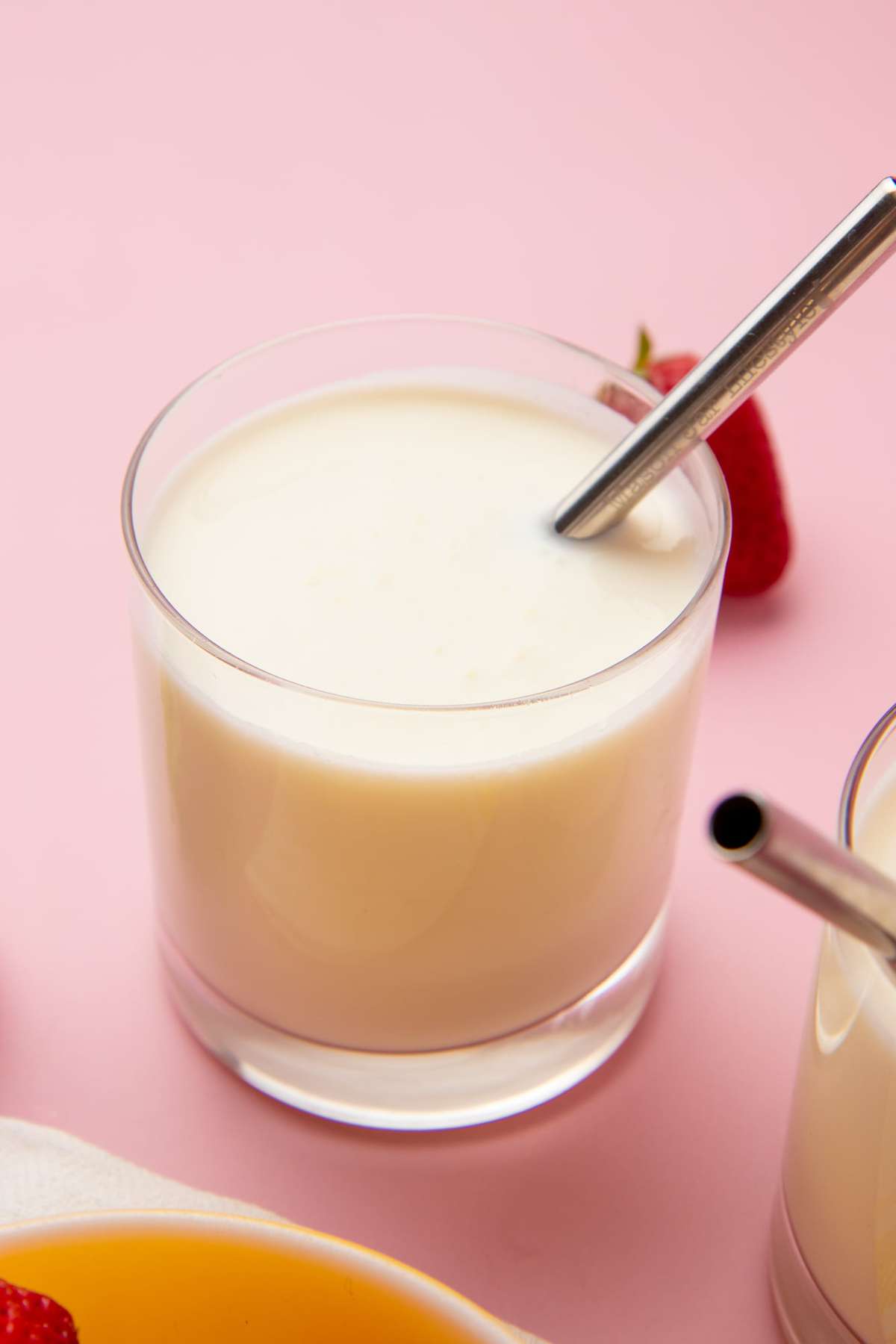
First up, what is kefir?
Kefir is a fermented milk product that is the consistency of thin yogurt. But where homemade yogurt is fermented using strictly bacteria, kefir is made with "grains" made from both bacteria and beneficial yeast.
What does kefir taste like?
Like yogurt, kefir is a little bit sour and tangy, but unlike yogurt, kefir is also slightly carbonated.

Is kefir good for you?
Milk kefir is a healthy fermented food that is a great addition to a balanced diet! Fermenting the milk breaks down the lactose, making it easier to digest for some folks who struggle with dairy products. The fermentation process also adds tons of folic acid and probiotics to the kefir. Probiotics are good news for your digestive tract.
Are there other kinds of kefir other than milk kefir?
Yes! You can also make water kefir, but it requires different grains and a different process from the one we outline here.

Why should I make kefir?
If your body doesn't love dairy, you have digestive problems, or you're just looking for a new fermented food to try, kefir is for you. Kefir is low in lactose, and high in probiotics, to name just two of its health benefits.
My favorite thing about kefir is how flippin' easy it is to make. There are lots of fermented foods out there (kombucha, yogurt, sourdough bread, sauerkraut, etc.), but I consider kefir the absolute easiest (and quickest!) one to make. It only requires two ingredients-milk and kefir grains-and once you have the kefir process going, you can keep it producing for as long as you like.
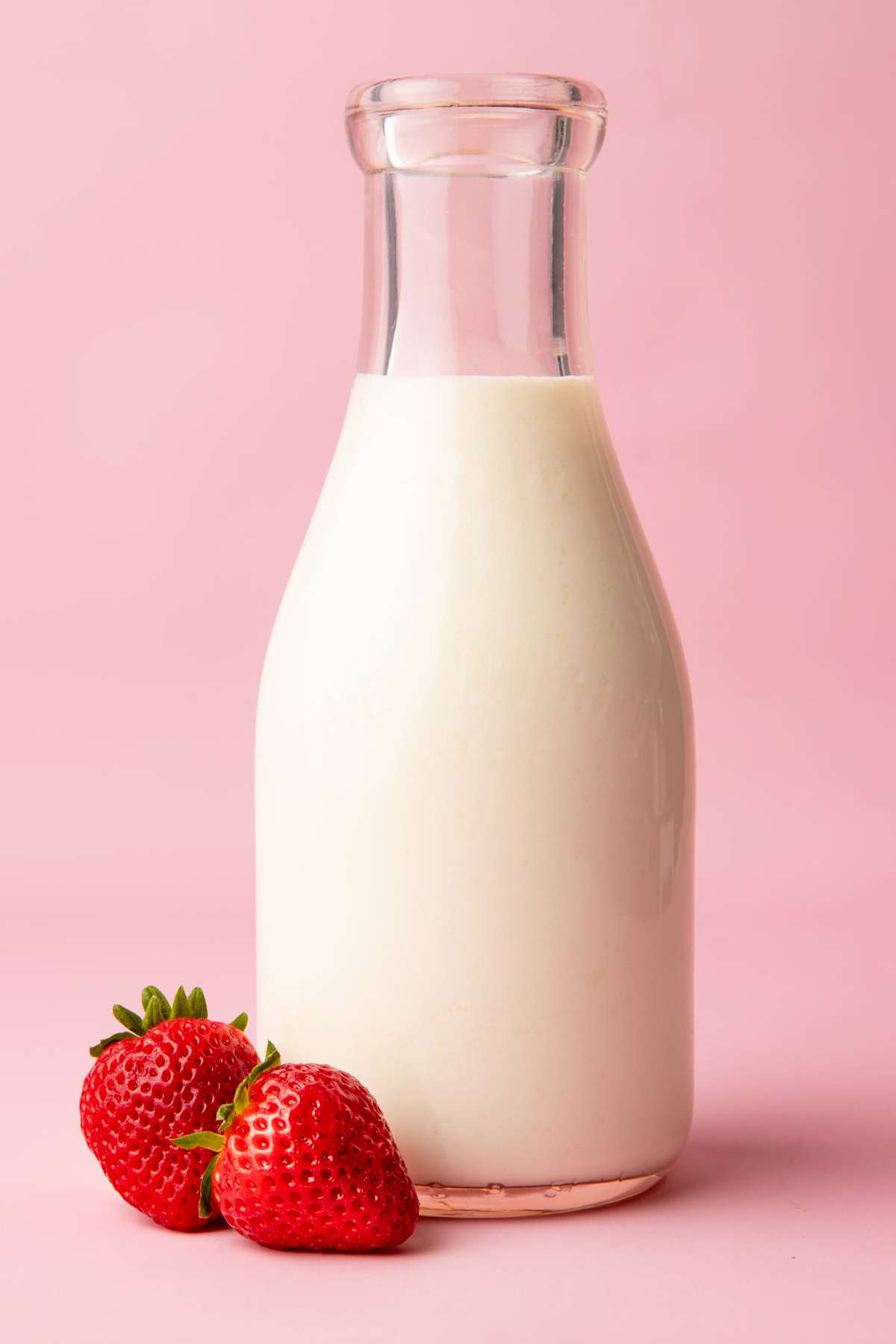
Where can I buy kefir grains?
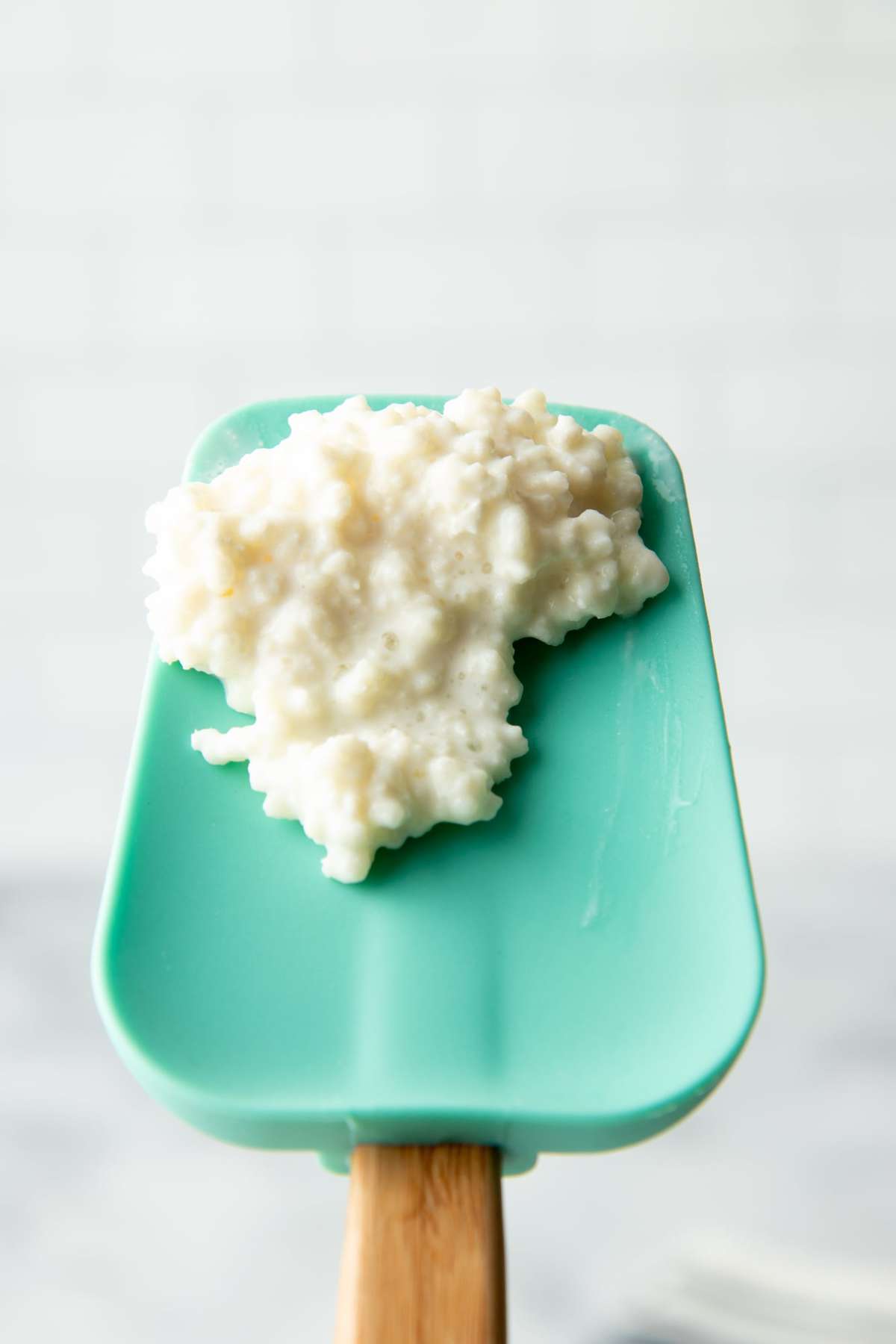
To make kefir, the first thing you need to do is track down a good source of healthy kefir grains. Kefir grains are cauliflower-looking blobs of yeast and bacteria that you use to inoculate milk (and turn it into kefir).
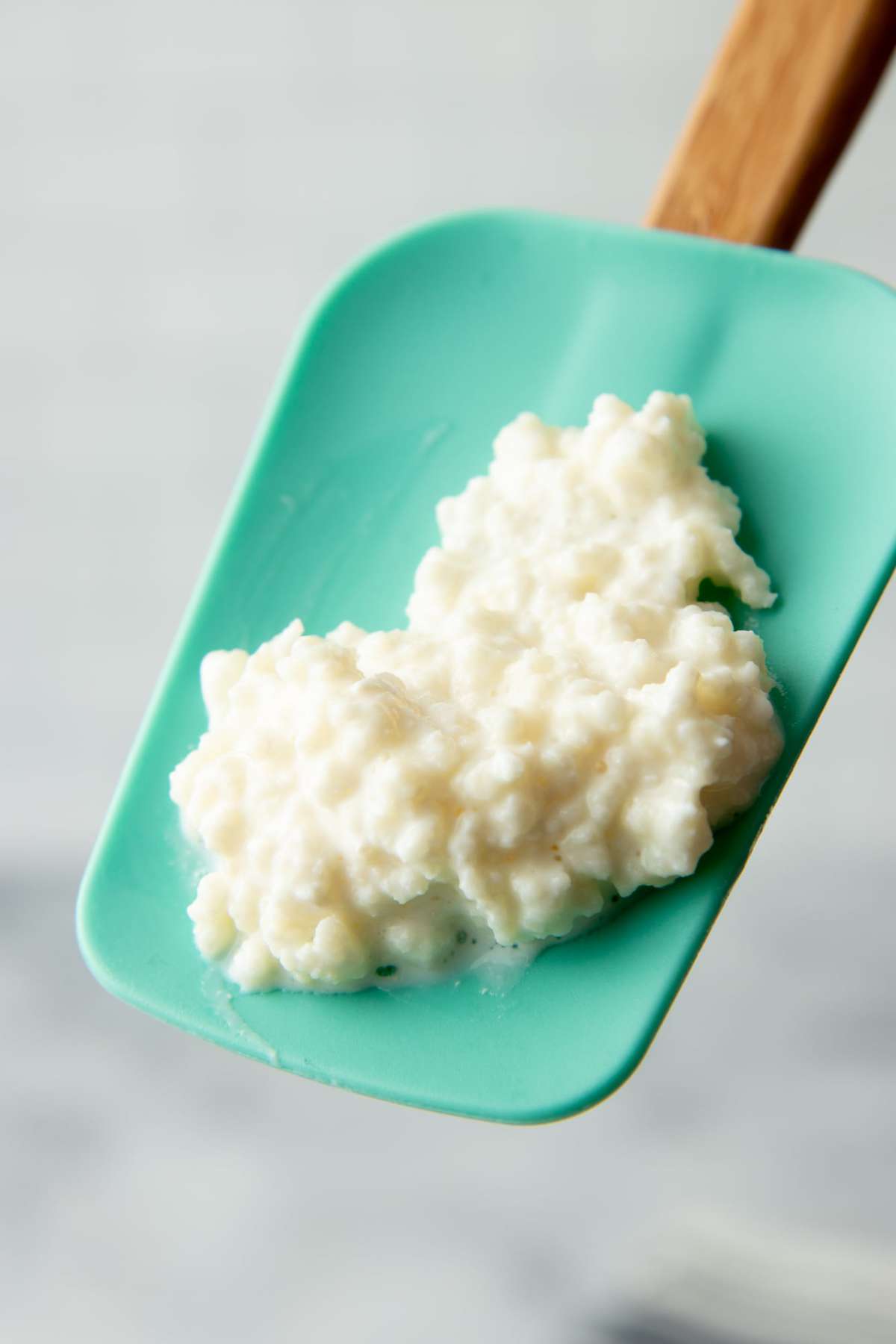
Unless you have an awesome friend who is willing to part with some of their grains, chances are, you'll need to order them online. There are lots of people selling kefir grains out there, but you have to be careful, because if they aren't packed and shipped correctly, they'll be D.O.A. I had excellent luck with my order from Fusion Teas. They came packed beautifully, were super healthy, and were reasonably-priced.
Also, make sure you aren't buying "kefir starter." Starter is a one-time use kind of thing and is totally different from kefir grains. If you treat your grains right, they just keep growing and growing and you'll never have to buy them ever again. With kefir starter, you have to buy new each time you want to make a batch of kefir. Grains are where it's at.
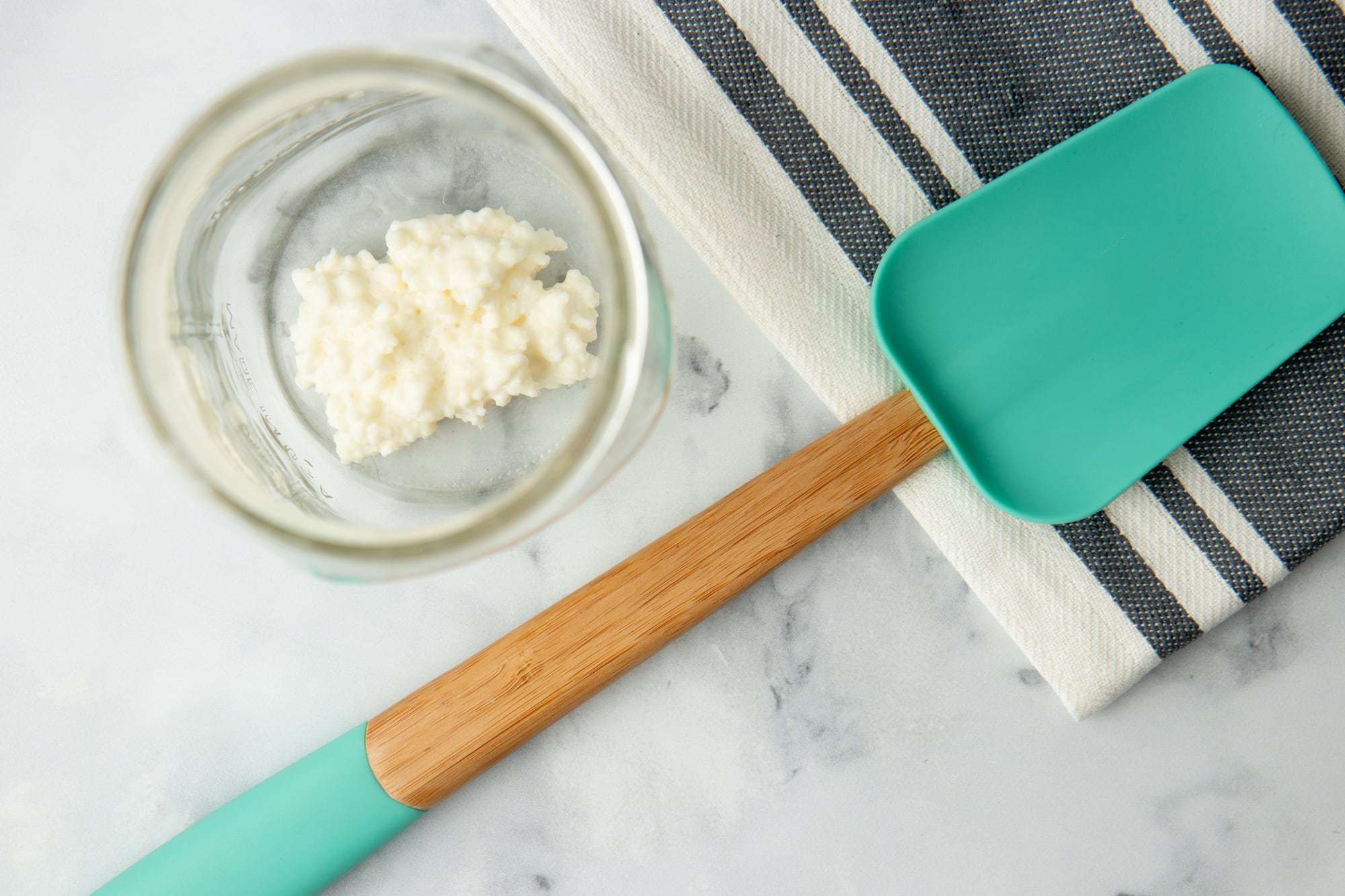
How do I reactivate kefir grains after shipping?
Once you have your grains, chances are, you'll need to reactivate them from shipping. This is easy peasy. All you need to do is take milk and plop the grains in it, and let it sit at room temperature for a few hours.
For each tablespoon of kefir grains you want to reactivate, add ¼ cup milk to a glass jar with the grains. Put on a lid (secured, but not too tight) and let it sit in a cozy part of your house. Every 12 hours, come back, strain the grains out of the milk, and then put the grains back into the jar and add fresh milk. You can use the soured milk in place of buttermilk in baking and recipes. Don't be surprised if your fermented milk smells heavily like bread yeast-that's a good sign!
Repeat the process every 12 hours until your grains are reactivated. You'll know your grains are reactivated when the milk thickens in the 12 hour period. Once your grains are reactivated, you're ready to make kefir.
What kind of milk will I need?
Your kefir grains will need lactose to feed on, so any milk with lactose is a good option. Any milk from a mammal contains lactose-cow and goat milk are both great choices. You can ferment non-animal milks (such as nut milks, coconut milk, soy milk, etc.) using kefir grains, but you'll kill your grains in the process.
Okay, so how do you make kefir?
Making kefir takes awhile (a whole day), but that time is almost entirely hands-off. Once you have your kefir grains and milk, the only other thing you need is a glass jar with a lid.
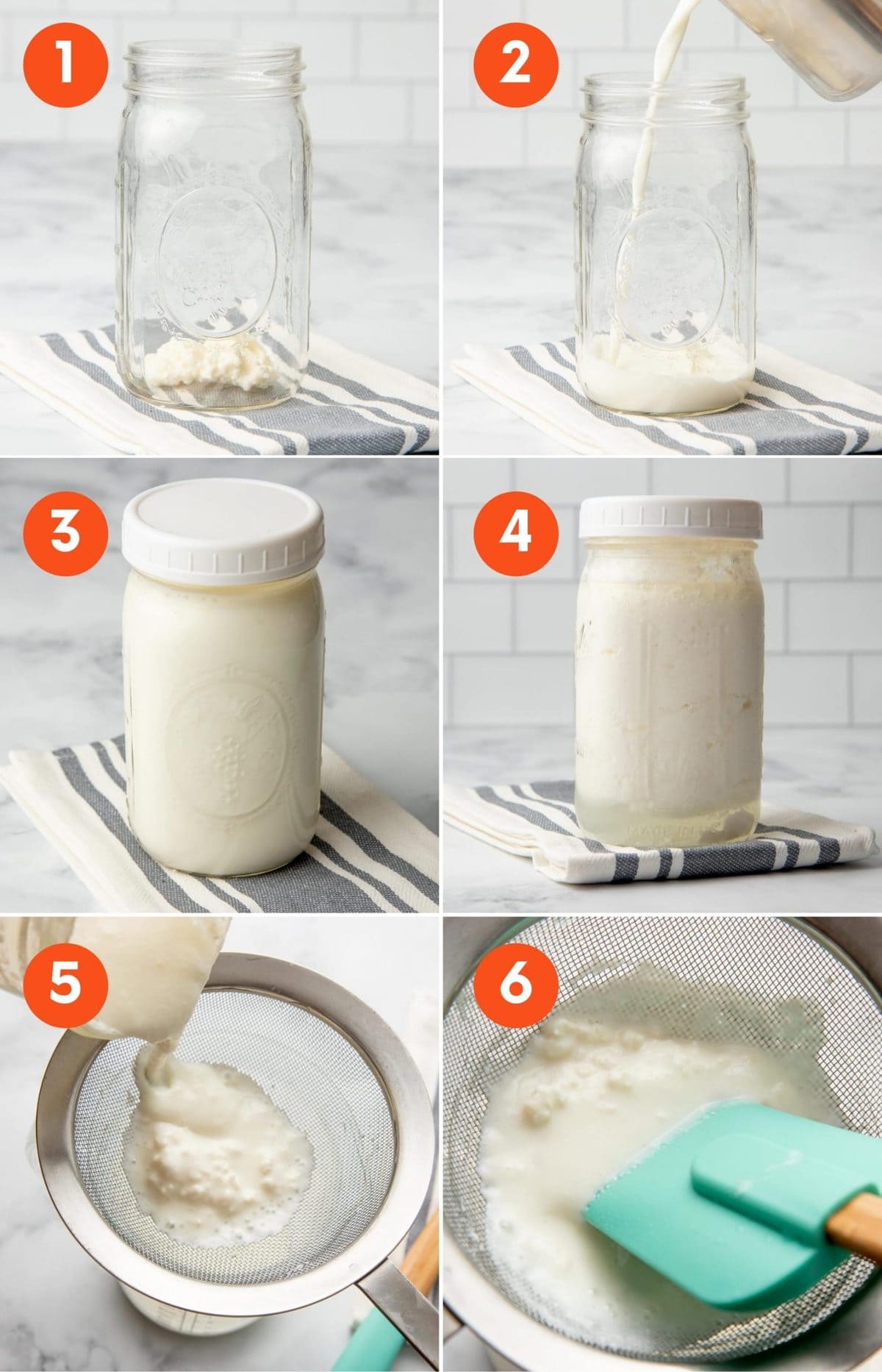
- Add your kefir grain to a clean glass jar. You can add as many or as few grains as you have-the more kefir grains you have, the faster the kefir will be ready, and vice versa. The grains will grow slightly bigger every time you make a batch. A good rule of thumb is 1 tablespoon of grains per ½ cup of milk will ferment in about 12-18 hours.
- Add in your milk. Don't fill the jar all the way to the top-leave about an inch worth of headspace.
- Secure the lid (but not too tight), and set the jar in a warm, but out-of-the-sun spot to rest.
- Within about eight hours, it should start to thicken. By 12 hours, it should be really thick. And by 18-24 hours, the kefir might start to separate into curds and whey. The longer the kefir sits and ferments, the tangier and more carbonated it will be.
- Once you are happy with the thickness and tanginess of the kefir, you can open the jar-remember, it's carbonated now, so it'll hiss-and strain the grains.
- I use a fine mesh sieve and a spatula to (very gently) push the kefir through while keeping the grains in the sieve.
That's it! You can take the grains and make a new batch of kefir, or stash the grains for use later (more on that later).
Wholefully Protip
When working with kefir grains, use only glass, plastic, and stainless steel utensils, bowls and strainers. Using other reactive metals can kill your kefir grains on contact.

What if I need to slow down my milk kefir production?
Because kefir grains grow every time you make a new batch of kefir-and more grains mean faster ferments-you can pretty quickly find yourself with too much kefir to drink!
If you need to slow down your kefir production, it is easy! Instead of letting the kefir ferment on the counter, all you have to do is let it do its thing in the fridge. By fermenting the kefir in the cold, the process takes much longer-upwards of 10-14 days. And you can always restart the speedy production by bringing the grains out of the fridge again.
Wholefully Protip
If you let your kefir ferment a bit too long, you can mix the curds and whey back together just by gently shaking the jar.

How do I store kefir grains?
If you can't keep up with your kefir production or otherwise need to take a break from making kefir, you'll want to store your grains so that they can be reactivated and used again later.
For short term storage (up to a month): Submerge the grains in fresh milk in the refrigerator. Keep them in a cold (but not freezing) portion of your fridge. When it's time to reactivate them, follow the same method outlined above.
For longer term storage (up to a year): Take the grains out of the milk and rinse them using unchlorinated water. Pat the grains dry gently with a paper towel, and then toss the grains in powdered dried milk. Place in a zip-top freezer bag or freezer-safe glass jar. Freeze for up to one year. To reactivate, thaw in the fridge, then follow the reactivation method from above.

How long does kefir last?
Good news: because kefir is naturally fermented, it will last longer in the fridge than a typical dairy product. You can easily get 2-3 weeks out of it without any loss of flavor or quality-which should be plenty of time to drink or otherwise use it up!
How can I use kefir?
You can use kefir any place you would use yogurt or buttermilk in recipes. Here are some of our ideas for how to use kefir:
- Easy overnight oats. Use milk kefir in place of yogurt in any of our well-loved overnight oats recipes!
- Healthy Blueberry Muffins. Our vegan blueberry muffins call for plant-based milk, but if you are eating dairy, milk kefir works perfectly in place of the milk and lemon juice.
- Smoothies. Milk kefir and smoothies are a match made in heaven! Use milk kefir as your liquid of choice in any of our dozens of smoothie recipes.
- Irish Soda Bread Recipe. This rustic quick bread typically uses buttermilk, but milk kefir works perfectly in place of it!
- Ranch Dressing. Swap out the buttermilk and yogurt in our healthy ranch dressing recipe for milk kefir.
- Whole Grain Pancakes. Buttermilk makes the pancakes soft and fluffy, and kefir works just the same way in the batter!
📖 Recipe
Homemade Milk Kefir
Ingredients
- 3 tablespoons activated kefir grains
- 1 ½ cups milk cow or goat milk
Instructions
- Combine the grains with the milk in a glass pint jar.
- Put the lid on the jar (it should be secure, but not tight), and let rest at room temperature.
- Carefully open the jar after 8-12 hours and test for thickness and flavor. The longer you let the kefir ferment, the thicker and more tangy it will be.
- When you are happy with the kefir, strain out the grains.
- Pour the strained kefir into a bottle. You can now use the grains to make more kefir in a clean jar with fresh milk.

Is it necessary to always use milk at room temperature? Or can it be cold? Thanks for all your information, appreciate it!
I love making kefir and do it daily. I have read that you can actually ferment nut milks, and it does not kill the grains. Also, I have read that people with dairy sensitivity can usually drink milk kefir since the lactose is broken down by the grains. When I make it, I usually sweeten it with organic agave. I know that's a sweetener, but all my family loves it and will drink it without coercion. It's also good with added fruit like blueberries, strawberries, or pineapple. I use frozen organic and blend the fruit with a bit of kefir. Then I stir that in with the rest of the kefir. A good additional source of info on making kefir, kombucha, and fermented foods is www.culturedfoodlife.com .
To answer your question, the milk cultures much faster if it is at room temp. There is no danger of spoiled kefir because the good bacteria overtakes the bad. It is later put in the fridge to slow down the continued culturing.
Is this in the buttermilk family wei was young my mom would get her church ready and we would help make our own butter and butter milk and we would sour our milk and it was ready when sour and u skim off the top of milk ,
Yay!! Thanks for this. I can't wait to give it a try!
This is my first time making it I'm doing something wrong my kefir looks spoiled. Taste bad to me the grains go to the top of the jar fast and it separates in the middle. What am I doing wrong?
Sounds like it make have fermented a little long—if it's separating and tastes like rank sour cream, that's the case. Next time, just pull the grains out a day or so earlier. You can still use the kefir you made—it'll be awesome in buttermilk biscuits!
I just started making kefir a week ago today. I took some and put in some blueberries and bananas in my nutrition bullet. Very good. I have dealt with ulcers in the past, so this is good for my tummy.
Thanks for this blog, easy to follow and very informative. We tried using Kefir once, but it was an epic fail. Will have to try again 😉
I've been making kefir for a couple of months now but yours are the best and most specific directions I've seen. Thanks for an excellent job!
Thanks for your quick response. Yes I they are all clean. I have been putting the lid on tight though. Would that make a difference?
Hi, I have been making Kefir for the past month and for some reason my batches don't get carbonated and have a gross taste after a day. Do you have any suggestions? I'm wondering if I should order new Kefir grains from someplace different. Where do you order yours?
I doubt it's your grains. A lot of times bad taste can come from yucky bacteria that is transferred while you make it. Are you making sure to use super clean utensils and containers? This is a good resource for grains: https://www.amazon.com/Kefir-Grains-Living-Probiotic-Enriched/dp/B004RCSWGG/ref=as_sl_pc_ss_til?tag=batohero-20&linkCode=w01&linkId=JASXBVOOGE6F7PU7&creativeASIN=B004RCSWGG
I have grown Kefir in the past and found the benefits in the digestion process amazing. I add it to smoothies and drink away! I am going to have to go after some more grains and may try your resource. I feel bad going back to the person that I got them from to ask for more. i was gone and the hubby was not as diligent as he should have been in feeding them. So much better than store bought kefir and worth the effort to keep them growing. I was told to eat a grain when you have an upset stomach or dont feel well. That has worked as well.
Thank you for sharing this.For some time now I've wanted to start taking this.Im told it's very good for you.But I wanted to make it from scratch.I don't like pre made anything!
Sorry - one more question 🙂 do you flavor yours? And is there ever too much of a good thing (meaning should intake be limited)
Thanks again!
Nope, I don't flavor mine. And I've never heard of anyone ODing on kefir. 🙂
I do flavor mine with washed citrus fruit peelings after I have removed the grains from the kefir.
It's called a second ferment.
Orange and lemon peel works great and is said to increase the kefir's vitamin content.
You can leave it on the shelf or refrigerate it after adding the peels.
TRY IT, NUMMMM
What type of milk should one use? Ps - I would be more then happy to take some of your grains 🙂
Any milk with lactose works! Your kefir grains will need lactose to feed on, so any milk from a mammal contains lactose—cow and goat milk are both great choices. You can ferment non-animal milks (such as nut milks, coconut milk, soy milk, etc.) using kefir grains, but you’ll kill your grains in the process—which is fine, it just means you need new grains for each batch. If you aren’t keen on dairy, you might want to look into something called water kefir—a type of fermented drink made from water and other sugars.
Have you used the kefir milk to make yogurt? And did it work?
I haven't!
I used to make keifer and add it to our green smoothies. I've gotten out of the habit and I don't even know what I did with the grains... I might just have to jump back on the fermented train.
I could've sworn I was reading my friend Liv's blog. This was a really cool entry. I've never heard of anything you just talked about aside from Clementines, milk, and the other kitchen utensils.
Do you ever have to worry about sour milk or the soured dairy upsetting your stomach or causing food poisoning? I didn't see any cautionary tales about that..
Nope. Folks have been souring dairy for centuries. I honestly think the whole "soured milk is bad" thing comes from the fact that the average milk in today's grocery store is packed full of so many chemicals and hormones that it does go bad if left out. Fresh, local, raw (or lightly pasteurized, like mine is) milk from a reputable source and you're golden.
It's like you guys anticipate all my culinary ventures. My bucket list this semester includes kefir making and home brewing, just to name two. I've had my eye on making kefir for a while now, but there is so much information out there on the net that it's easy to get overwhelmed. Thanks for this great post! I hope it works for me as well as it did for you.
Do you do anything with the kefir besides drinking it?
Oh yes! You can use it instead of a sourdough starter in sourdough bread. You can use it in place of sour cream for dips and the such. You can strain out the whey and make kefir cheese with it. You can make kefir biscuits, kefir ice cream, kefir pizza dough! You can even make kefir butter!
Any your going to tell us how to do all that ....right ? :p
I make buttermilk biscuits with the kefir. Just replace any recipe that calls for buttermilk.
Awesome post Cassie! really interesting and inspiring... I might one day give it go. I'm pretty lazy though, so after the first two rounds I'd probably kill my kefir grains 🙁
You can just stash them in the fridge in some milk if you want to take a break. Just change the milk every 10-14 days. 🙂
I haven't but I've been sprouting lentils since the summer, so I'm looking forward to hearing your take on that!